Columbia University faces a federal investigation following claims from janitors alleging unlawful detention during protests. The lawsuit emphasizes the need for accountability in protecting civil rights on campus, while discussions around local prosecution and bail reform highlight broader issues in New York's legal system.
Columbia University is currently facing a federal investigation after two janitors filed a lawsuit claiming that their civil rights were violated during protests on campus. The lawsuit asserts that the university has a moral obligation to protect the rights of its students and employees and must be held accountable when it fails to do so.
The controversy arose when the janitors reported being briefly trapped during a protest at Columbia University. One of the janitors recounted an incident where he discarded chalk to prevent protesters from writing anti-Semitic messages. This act of self-defense against harassment has raised significant concerns about the treatment of campus workers during such events.
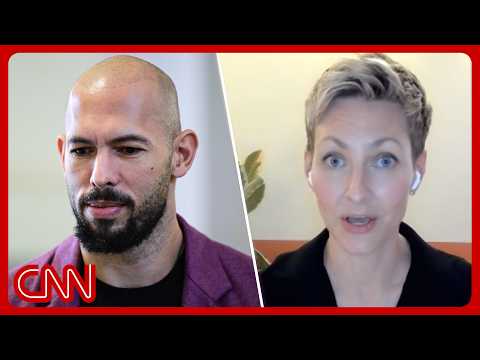
Maud Maron, a commentator on the situation, emphasized the importance of ensuring that all campus workers feel safe in their environment. She stated, "For students to think they can disregard janitors and people working there to make their life as students enjoyable and possible is unacceptable." Maron called for a thorough investigation into the unlawful detention of the janitors, insisting that those responsible should be prosecuted.
The discussion around the federal investigation also touches on the role of local authorities in addressing these claims. Todd, the host of the segment, questioned the actions of Manhattan District Attorney Alvin Bragg, who has been criticized for dismissing many cases related to campus protests. Maron argued that any New Yorker, including the janitors at Columbia, deserves to work without fear of harassment or unlawful detention.
The conversation shifted to the implications of bail reform in New York, particularly in light of recent comments made by former Governor Andrew Cuomo. Cuomo defended the cashless bail system, stating that a governor is not a dictator and must work within the constraints of finances and legislative capabilities. However, critics argue that the bail law has not delivered on its promises, with crime rates reportedly increasing instead of decreasing.
Maron pointed out the disconnect between the expectations set by the bail reform and the reality of rising crime, particularly concerning the safety of vulnerable populations in the city. She highlighted the plight of mentally ill individuals who are often seen on the streets, exacerbating public safety concerns.
In a related discussion, the segment addressed the New York City District Attorney's approach to handling retail theft. The DA's office has implemented a system where shoplifters caught in the act are issued formal notices barring them from the store. If they attempt to shoplift again, they can be charged with burglary, which carries a potential sentence of one to three years.
Critics of this approach argue that it is insufficient and that prosecutors should take a firmer stance against theft. Maron expressed her belief that a more traditional approach, where individuals face immediate consequences for their actions, would be more effective in deterring crime.
The federal investigation into Columbia University highlights significant issues regarding the treatment of campus workers and the broader implications of legal reforms in New York. As the situation unfolds, it raises critical questions about accountability, civil rights, and the effectiveness of current policies in ensuring public safety and justice for all individuals, regardless of their position within the community.