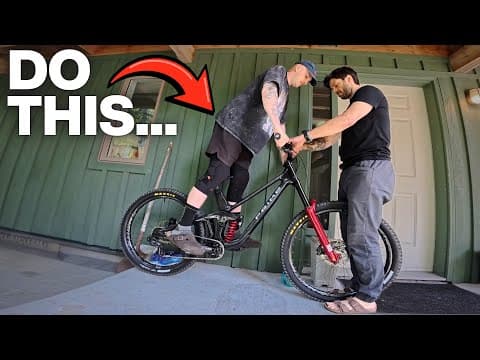
This article presents a detailed comparison between aluminum and carbon mountain bike frames using the IBIS RipMo AF and RipMo V3 Carbon models. The test involved swapping identical parts to isolate frame material effects, evaluating climbing efficiency, handling on flow and chunk trails, and overall ride feel. While carbon frames offer lighter weight and higher performance, aluminum frames provide comfort, ease of setup, and durability, making them a compelling choice for many riders.
Mountain biking enthusiasts often face the dilemma of choosing between aluminum and carbon frames. Carbon frames typically come with a higher price tag, but does that translate into a better riding experience? This article explores a thorough back-to-back test of two versions of the IBIS RipMo trail bike — an aluminum frame and its carbon counterpart — equipped with identical parts to isolate the impact of frame material on performance.
The aluminum frame tested is the IBIS RipMo AF, a 29-inch trail bike with 160mm rear and 150mm front travel. It features several premium upgrades, including Fox Factory suspension and carbon wheels, and retails in the mid-$3000 range. The carbon version is the IBIS RipMo V3 Carbon, which shares the exact same geometry and components as the aluminum bike for a fair comparison.
The test involved riding both bikes on the same trails, swapping every single part from the aluminum frame to the carbon frame to ensure the only variable was the frame material. This included suspension, wheels, drivetrain, and brakes, all set to identical configurations.
The evaluation focused on several key aspects:
Starting with the aluminum RipMo AF, the bike felt efficient and steady on climbs, typical of a trail bike. Despite weighing 36.5 pounds, it climbed well without any surprises.
After swapping parts to the carbon frame, the weight difference was significant: the carbon frame weighed 9.33 pounds compared to 12.04 pounds for the aluminum, making the carbon bike approximately 2.7 pounds lighter overall. This weight reduction was noticeable on climbs, with the carbon bike feeling easier to pedal uphill, although the climb remained slow and steady.
The flow trail, named Medieval, was used to test high-speed handling, cornering stiffness, and the bike's ability to carry momentum.
Dragon Scales, a black diamond trail with numerous rock gardens, tested the bikes' behavior on rough terrain.
The carbon frame demonstrated a higher performance ceiling, offering better climbing efficiency, more responsive handling on flow trails, and increased pop on jumps. However, it required more suspension tuning to manage trail chatter and vibrations effectively.
The aluminum frame, while heavier, was easier to set up and provided a comfortable, planted, and predictable ride without extensive adjustments. It also offers greater durability and peace of mind against cosmetic damage from trail debris.
The carbon bike's higher price reflects its lighter weight and premium components, but riders must consider whether the performance gains justify the additional cost.
The choice between aluminum and carbon frames ultimately depends on rider priorities:
For trail riding with shorter climbs and a preference for a carefree experience, the aluminum frame may be more suitable. However, riders looking for every marginal gain and a higher performance ceiling may prefer carbon.
For those interested in purchasing, N Plus1 Bikes offers special deals for friends of this channel, including 10% back as an online gift card on bike purchases and 15% off parts and accessories.
Also, there is an ongoing giveaway for a high-performance Mflow e-bike, with an 8x bonus entry multiplier available for a limited time.
This comprehensive test highlights that while carbon frames provide measurable performance advantages, aluminum frames remain a compelling option for many riders due to their comfort, durability, and value.