Cuba Faces Another Nationwide Blackout Amidst Ongoing Energy Crisis
Cuba experienced a nationwide blackout affecting over 10 million people due to a power grid collapse, marking the fourth major outage in six months. The situation highlights ongoing issues with the island's aging infrastructure and economic challenges, exacerbated by U.S. sanctions and insufficient government investment in energy solutions.
On March 18, 2025, Cuba was plunged into darkness as a significant power grid collapse triggered a nationwide blackout. This incident left over 10 million people without electricity for several days, raising concerns about the island's energy infrastructure and the government's ability to manage such crises.
The Blackout Incident
Cuban officials reported that the blackout began with failures at a substation in Havana on Friday evening. This failure initiated a chain reaction that ultimately shut down power generation across the entire island. Power restoration efforts commenced gradually, starting in Havana, the capital, on Sunday night.
This blackout marks the fourth major power outage in just six months, following a near-total blackout in October 2024, which was described as the worst energy outage in decades. While Cubans are accustomed to frequent power outages, the recurrence of such extensive blackouts raises alarms about the reliability of the energy sector.
Underlying Issues
Cuba's energy crisis is attributed to a combination of factors:
- Aging Infrastructure: The country's power grid is outdated and in dire need of upgrades and maintenance.
- Natural Disasters: While this particular blackout was not caused by a hurricane or natural disaster, Cuba's energy sector has historically struggled to recover from such events.
- Economic Uncertainty: The ongoing economic challenges faced by the island have hindered investment in critical infrastructure.
- U.S. Economic Sanctions: Since 1962, the U.S. has imposed a trade embargo on Cuba, which many officials blame for crippling the energy sector by blocking essential goods and services.
Critics, however, argue that the Cuban government has not done enough to invest in the necessary infrastructure improvements to keep the power grid functioning optimally.
Life During the Blackout
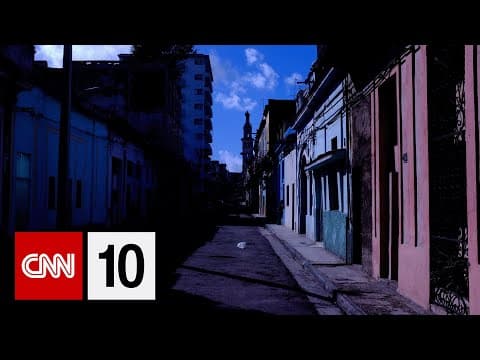
Patrick Oppmann, a CNN correspondent in Havana, provided insights into the daily struggles faced by Cubans during the blackout. He noted that most residents were left without electricity, relying on generators where available. The lack of streetlights made navigating the city hazardous, and many families were forced to stay at home, concerned about food spoilage in their refrigerators.
As the blackout continued, the frustration among the population grew. People were anxious about the potential for more frequent blackouts as the summer months approached, which could exacerbate the already challenging living conditions.
Conclusion
The recent blackout in Cuba underscores the urgent need for comprehensive reforms in the country's energy sector. With millions affected and the potential for future outages looming, the Cuban government faces mounting pressure to address the systemic issues plaguing its infrastructure. As the situation develops, the resilience of the Cuban people will be tested once again in the face of ongoing challenges.