Cuba is experiencing mass protests amid an ongoing power crisis and fuel shortages, leading to unprecedented negotiations with the United States. The communist government is under immense pressure due to economic hardships exacerbated by international sanctions and global conflicts, resulting in political prisoners being released and potential democratic reforms on the horizon.
Cuba is currently witnessing a historic moment as mass protests sweep across the island nation. For the eighth consecutive night, the country has been plunged into darkness due to a severe power outage. This crisis is compounded by a lack of fuel shipments for three months, forcing citizens to resort to alternative means such as firewood for energy. The situation has escalated to the point where Havana has initiated talks with Washington, marking a significant shift in diplomatic relations.
The ongoing power outage has severely impacted daily life in Cuba. With no fuel shipments arriving for months, the country faces a crippling energy shortage. This scarcity has led to innovative but desperate measures, such as using firewood to power batteries. The lack of fuel also affects transportation, with many resorting to bicycles as a primary mode of travel due to limited gasoline availability.
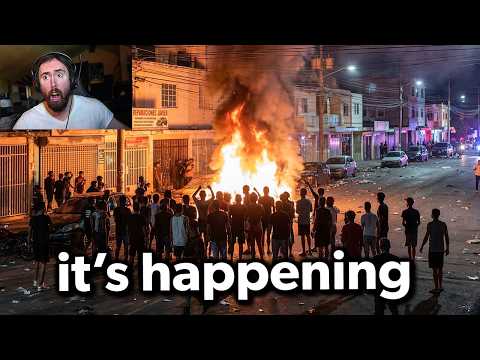
The Cuban people have taken to the streets in unprecedented numbers, expressing their frustration and demanding change. In a bold move, protesters seized the headquarters of the Communist Party and set the building on fire, symbolizing a rejection of the longstanding regime. This act of defiance highlights the growing unrest and desire for political transformation within the country.
In response to the escalating crisis, Cuba's President Miguel Diaz-Canel confirmed that the government has begun negotiations with the Trump administration. These talks aim to initiate a democratic process that could potentially end the communist regime. This development is notable as it represents a rare instance of dialogue between the two nations amid decades of tension.
Additionally, Cuba has started releasing political prisoners, signaling a possible shift towards political reform. The government's willingness to engage in negotiations and make concessions indicates the immense pressure it faces both domestically and internationally.
Several external factors have exacerbated Cuba's current predicament:
These combined pressures have created a perfect storm, leading to the country's economic and political instability.
The unfolding events in Cuba represent a potential turning point in the nation's history. Millions of Cubans may soon experience liberation from decades of communist rule. The international community watches closely as Cuba navigates this critical juncture, with hopes for a peaceful transition towards democracy.
Cuba's ongoing protests, power crisis, and subsequent negotiations with the United States mark a historic chapter for the island nation. The convergence of internal dissent and external pressures has forced the government to reconsider its stance, opening the door for possible democratic reforms. As the situation develops, the world remains hopeful for a positive outcome that will bring freedom and prosperity to the Cuban people.