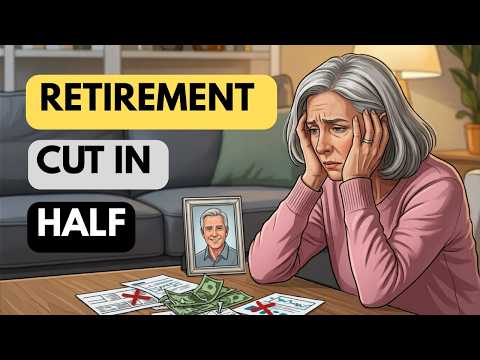
Many retirees fall victim to three common misconceptions about retirement spending, particularly the 4% rule, which can limit their financial freedom and enjoyment during retirement. Understanding these myths can help retirees make more informed decisions about their finances and lifestyle in their golden years.
Retirement is often seen as a time for relaxation and enjoyment, yet many retirees unknowingly hold onto misconceptions that can hinder their financial well-being and overall happiness. As a financial adviser with over 20 years of experience, I have encountered three prevalent lies that can rob retirees of their joy and financial freedom. Let's explore these myths and uncover the truths behind them.
One of the most common beliefs among retirees is that they cannot spend more than 4% of their retirement savings each year. This guideline, known as the 4% rule, was developed by financial planner Bill Bengen in the early 1990s. While it serves as a decent rule of thumb, it is essential to understand its limitations.
The 4% rule suggests that retirees can withdraw 4% of their savings annually, adjusted for inflation, without running out of money over a 30-year period. For example, if you have $500,000 saved, this would allow for an initial withdrawal of $20,000 per year. However, this approach can be overly conservative, especially in the early years of retirement, when many retirees are eager to travel and enjoy life.
Retirement spending often follows a pattern known as the "spending smile." In the early years, retirees tend to spend more as they embark on adventures and travel. This spending typically decreases in the middle years, only to rise again towards the end of retirement due to increased healthcare costs. By strictly adhering to the 4% rule, retirees may miss out on valuable experiences during their most active years.
Another common misconception is the belief that spending more than 4% will inevitably lead to running out of money. While the 4% rule is based on statistical models, it is crucial to recognize that it reflects worst-case scenarios.
Bengen's research utilized a statistical tool called the Monte Carlo simulation, which analyzes various market conditions and investment returns. His findings indicated that less than 10% of retirees who followed the 4% rule would finish with less money than they started after 30 years. In fact, two-thirds of retirees would likely end up with more than double their initial investment.
Given these statistics, it is vital for retirees to work with a financial adviser who can model their specific situation. By understanding individual spending patterns and investment strategies, retirees can often afford to withdraw more than the conservative 4% in their early years without jeopardizing their long-term financial health.
The final misconception revolves around the definition of risk in retirement. Many people equate risk with the likelihood of running out of money. However, it is equally important to consider the risk of not enjoying the retirement years due to overly cautious spending.
As a financial adviser, my goal is to help clients achieve a high likelihood of financial success while also enjoying their retirement. For many, this means accepting an 80% likelihood of never running out of money in exchange for the ability to retire earlier and enjoy life. The decision ultimately comes down to personal priorities: would you prefer to retire five to seven years earlier with an 80% chance of financial security, or wait longer for a 97% chance?
Retirement planning is not a one-time event; it requires ongoing assessment and adjustments. Regular check-ins with a financial adviser can help retirees navigate their financial landscape and make informed decisions as their circumstances change.
Retirement should be a time of enjoyment and exploration, not a period of financial anxiety. By debunking these common myths about retirement spending, retirees can make more informed choices that enhance their quality of life. Working with a knowledgeable financial adviser can provide the insights needed to maximize both financial security and personal fulfillment during retirement. Embrace the opportunities that retirement offers, and don't let misconceptions hold you back from living your best life.