This blog post reveals ten crucial luggage hacks that can help travelers avoid losing their bags at airports. From creating a double identity for your luggage to utilizing airline tracking systems, these tips are designed to enhance your travel experience and ensure your belongings arrive safely at your destination.
Every day, tens of thousands of travelers lose their luggage, with many never seeing their bags again. Airlines lose one bag every second, but most of these losses are preventable. This blog post reveals ten proven luggage hacks that can help you outsmart the airlines and ensure your belongings arrive safely at your destination.
Most travelers make the mistake of relying solely on flimsy paper luggage tags provided by airlines. These external tags can easily get ripped off during transit. To prevent your bag from becoming anonymous, create a double identity for your luggage. Place a backup identification card inside your suitcase in a sealed plastic sleeve. Include your name, email, phone number with international code, and your destination address. This hidden backup can save you days of vacation stress if your external ID disappears.
Overpacking is a common mistake that can lead to luggage disasters. When your suitcase is packed beyond its limits, it can burst open during transit or become difficult for TSA to repack after inspections. To avoid this, adhere to the 80% rule: never fill your suitcase beyond 80% of its capacity. This allows room for your belongings to shift and leaves space for souvenirs or unexpected purchases, while also reducing the chances of additional inspections.
When it comes to luggage, the type of suitcase you choose matters. Soft-sided luggage may be lighter, but it offers little protection against the rough handling of airport baggage systems. Hardshell suitcases provide better protection against theft and damage. Look for hardshell luggage with built-in TSA-approved locks and water-resistant zippers. While they may cost more upfront, they can save you from shopping for replacements during your trip.
Using a non-TSA approved lock can lead to disaster. If security needs to inspect your bag and can't open your lock, they are authorized to break it. Instead, use TSA-approved locks that allow security personnel to open and relock your bag without damaging it. Opt for a combination lock rather than a key lock to avoid losing keys.
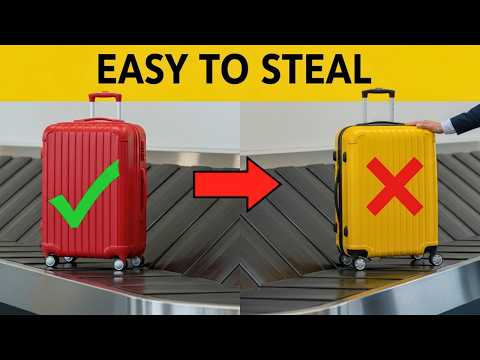
A locked suitcase can still be breached using a simple ballpoint pen. Thieves can create an opening in your zipper and reseal it without detection. To prevent this, use zip ties alongside your lock. Adding colorful zip ties through your zipper pulls creates a tamper-evident seal. If someone tries to access your bag, you'll have immediate visual confirmation. Choose brightly colored zip ties for easy identification on the baggage carousel.
Imagine being able to track your luggage in real-time. With advancements in luggage tracking technology, you can now use devices specifically designed for travel. These trackers provide extended battery life and global coverage, allowing you to know exactly where your luggage is at all times. Place your tracker in an interior pocket of your bag for maximum effectiveness.
When your luggage goes missing, airline staff will ask for a description. Instead of saying it's a black suitcase, create a comprehensive digital dossier. Photograph all sides of your suitcase, including distinctive markings and tags. Take close-ups of the brand label and model number, and document the contents organized by category. Store these images in a cloud service for easy access, which can help with insurance claims and identifying your bag.
The baggage claim stub is your only official link to your belongings in the airline system. Take a clear photo of your claim check and email it to yourself with relevant details. This ensures you have a backup even if your phone is lost. The claim number is connected to tracking data that can be crucial if you need to file a claim.
Many travelers mistakenly believe airlines will fully compensate them for lost luggage. However, domestic airlines cap liability at around $3,500, and international limits can be even lower. Consider specialized baggage insurance that protects the actual value of your belongings and provides immediate funds for emergency purchases. Some premium credit cards also offer superior baggage protection when you book your flight with them.
Most major airlines have sophisticated RFID baggage tracking systems, but fewer than 20% of passengers utilize this free technology. Download your airline's mobile app and enable push notifications for bag status updates. This allows you to track your luggage in real-time and take action if it gets misdirected, giving you a significant advantage over other travelers.
These ten luggage hacks can significantly reduce the chances of losing your belongings during travel. By implementing these strategies, you can enjoy a more stress-free travel experience and ensure your luggage arrives safely at your destination. Have you ever lost a bag or saved one with a clever trick? Share your story in the comments below!