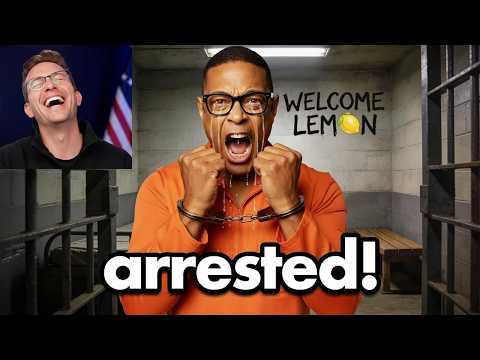
Former CNN anchor Don Lemon was arrested for his involvement in storming a church in St. Paul, Minnesota, during an immigration protest. Charged with conspiracy to deprive rights and violating the FACE Act, Lemon's actions sparked nationwide controversy. His attorney claims the protest was constitutionally protected, but critics argue it was a criminal act violating First Amendment rights of worshippers.
In a surprising turn of events, former CNN anchor Don Lemon has been arrested for his participation in a controversial incident involving the storming of a church in St. Paul, Minnesota. The arrest has sparked widespread discussion about the boundaries of protest, journalistic freedom, and the protection of religious spaces.
On January 18th, Don Lemon joined a group of immigration protesters who stormed a church known as City’s Church in St. Paul. The protesters reportedly screamed and harassed worshippers during the event, which led to nationwide outrage. According to reports, the protesters unlawfully detained children in Sunday school rooms, preventing parents from reaching them.
Don Lemon was filmed during the event, where he openly admitted that his role was to make people uncomfortable and cause trauma, particularly to children. He approached the front of the church and harassed the pastor, actions that many found deeply disrespectful and provocative.
Don Lemon was arrested by federal agents in Los Angeles while covering the Grammy’s Recording Academy Honors. He is 60 years old and was taken into federal custody on charges including conspiracy to deprive rights and violation of the FACE Act (Freedom of Access to Clinic Entrances Act), which protects the First Amendment rights of individuals to worship without interference by force.
The charges highlight the seriousness of the incident, framing it as an unlawful interference with the constitutional rights of the churchgoers.
Lemon’s attorney, Abe Lowell, issued a statement defending the protest, claiming it was constitutionally protected work consistent with Lemon’s 30-year career as a journalist. The statement emphasized the role of journalists in shining light on the truth and holding those in power accountable.
However, critics argue that storming a place of worship crosses a line and is not protected under the First Amendment. They point out that similar actions targeting other religious groups, such as mosques or synagogues, would be met with severe backlash and labeled hate crimes.
The arrest has ignited a heated debate online. Some view the arrest as overdue accountability for Lemon’s actions, while others see it as an unprecedented attack on journalistic freedom and the First Amendment.
There is also criticism of perceived double standards in how protests and journalists are treated, with some noting that independent journalists covering controversial topics often face harsher treatment and threats.
This case raises important questions about the limits of protest, especially when it involves sacred spaces and vulnerable individuals such as children. It also challenges the notion of journalistic immunity when actions cross into criminal behavior.
The involvement of federal authorities and the invocation of the FACE Act underscore the legal protections afforded to places of worship and the seriousness with which violations are treated.
Don Lemon’s arrest for storming a Minnesota church during an immigration protest marks a significant moment in the ongoing conversation about protest rights, journalistic responsibilities, and religious freedoms. While Lemon’s attorney defends the actions as constitutionally protected, the charges reflect a legal consensus that such conduct is unlawful.
As the case proceeds, it will likely continue to fuel debates about the balance between free speech, protest, and respect for religious institutions.
This incident serves as a reminder that the right to protest does not extend to violating the rights of others, especially in sacred and protected spaces. The outcome of this case may set important precedents for future protests and journalistic conduct.
News