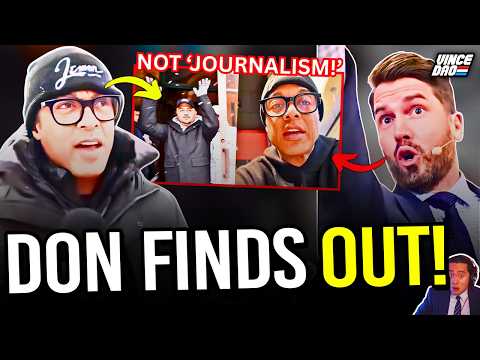
Former CNN anchor Don Lemon was arrested by federal agents in Los Angeles for his involvement in an anti-ICE protest that stormed a church in St. Paul, Minnesota. The grand jury rejected his defense of First Amendment protection and journalism. The charges relate to violations of the FACE Act, a law protecting places of religious worship from obstruction and interference.
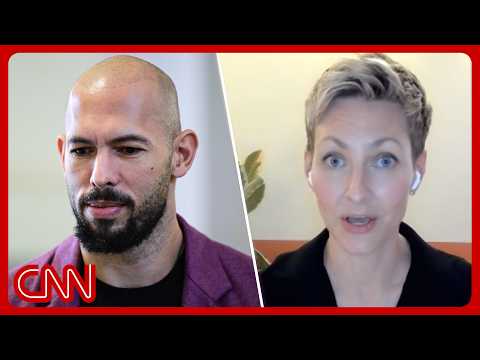
In a significant development, former CNN anchor Don Lemon was arrested by federal agents in Los Angeles in connection with an anti-ICE protest that stormed a church in St. Paul, Minnesota. This incident has sparked widespread discussion about the limits of the First Amendment, the role of journalism, and the legal consequences of protest actions.
The protest involved a group of anti-ICE agitators who entered a church during a worship service. The protesters were accused of interrupting a public gathering of Christians engaged in worship, which many considered a violation of their rights. Don Lemon was present during this event, initially claiming he was there as a journalist and that the protest was protected under the First Amendment rights to free speech and assembly.
However, video evidence and further investigation suggested that Lemon was closely involved with the protesters and was aware of the planned actions before entering the church. This involvement led to questions about whether his presence was purely journalistic or participatory.
Initially, attempts to secure an arrest warrant for Don Lemon were unsuccessful. A magistrate judge in Minnesota, a higher judge, and an appeals court all declined to sign off on an arrest warrant. Despite these setbacks, the Department of Justice (DOJ) pursued the case further, eventually presenting it to a grand jury.
The grand jury found sufficient evidence to indict Lemon, rejecting his defense that his actions were protected by the First Amendment or that he was merely acting as a journalist. Consequently, federal agents arrested Don Lemon in Los Angeles just after midnight at a hotel.
The charges against Lemon and other protesters relate to violations of the Freedom of Access to Clinic Entrances (FACE) Act of 1994. This law, passed during the Clinton administration with bipartisan support including Senator Joe Biden, was originally designed to prevent obstruction of abortion clinics but also protects places of religious worship from physical obstruction and intimidation.
The FACE Act prohibits the use or threat of force and physical obstruction that injures, intimidates, or interferes with individuals seeking to exercise their First Amendment rights at places of religious worship. The protesters' actions, including standing in front of the church and blocking the service, were deemed to violate this law.
Don Lemon and others argued that their protest was protected under the First Amendment rights to free speech and assembly. However, legal experts and authorities clarified that these rights do not extend to actions that interfere with others' rights to worship peacefully.
The principle is that one person's rights end where they infringe upon another's. In this case, the protesters' physical obstruction of the church service was seen as an infringement on the congregation's right to worship.
This case has drawn comparisons to other instances where individuals claimed journalistic protection while filming or participating in controversial events, such as the January 6 Capitol riot. The Biden administration's stance on such defenses has been inconsistent, leading to debates about free speech, protest rights, and law enforcement.
Additionally, the fact that the FACE Act was historically used against pro-life activists and right-wing groups adds an ironic twist to its current application against left-wing protesters.
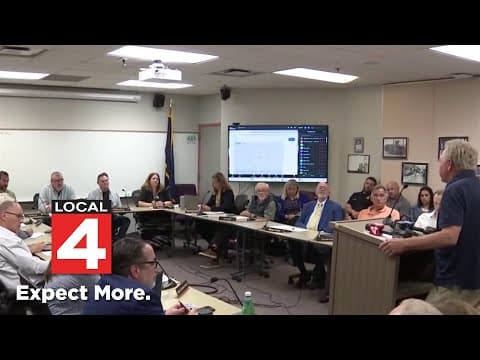
Prior to Don Lemon's arrest, three other protesters involved in the church storming had already been arrested. Among them were the organizer of the protest, a St. Paul school board member, and an online personality known as DeWoke Farmer.
Don Lemon's arrest highlights the complex intersection of protest rights, journalism, and legal boundaries. While the First Amendment protects free speech and assembly, it does not grant the right to disrupt others' lawful activities, such as religious worship. The FACE Act serves as a legal tool to protect these rights and maintain order.
As this story develops, it will continue to raise important questions about the balance between activism, journalism, and respect for the rights of others in public and private spaces.