In this blog post, we explore the latest developments in the Epstein and Maxwell case, focusing on the upcoming press conference featuring survivors who will share their experiences. We discuss the bipartisan efforts in Congress to declassify documents related to the case, the challenges faced by survivors, and the broader implications of human trafficking. Insights from experts highlight the systemic issues within child protection services and the need for public awareness and action.
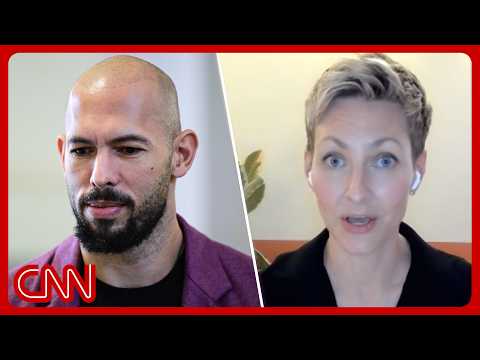
In a recent interview, Lauren Lunn-Farrow discussed the ongoing revelations surrounding Jeffrey Epstein and Ghislaine Maxwell, particularly focusing on the voices of survivors who are finally stepping forward to share their harrowing experiences. This blog post delves into the latest news, the bipartisan efforts in Congress to bring transparency to the case, and the broader implications of human trafficking.
Just 30 minutes before the interview, news broke that a bipartisan group of congressmen announced that survivors of Epstein and Maxwell's abuse would visit Capitol Hill to share their stories. Representatives Thomas Massie and Ro Khanna are set to hold a press conference on September 3, where several survivors will speak publicly for the first time. This event aims to push for justice and transparency regarding the abuses that occurred under Epstein and Maxwell's watch.
The press conference will feature not only the survivors but also their attorneys, emphasizing the need for accountability. Massie stated, "The survivors deserve justice and Americans deserve transparency." This bipartisan effort is crucial as Congress prepares to vote on a resolution that would require the Department of Justice to declassify documents related to Epstein within 30 days of the bill's passage.
Despite the mounting pressure on the White House to release information, there has been significant resistance. A recent ruling denied the DOJ's request to unseal private testimony from Maxwell's case, raising concerns about the lack of transparency surrounding the investigation. The House Oversight Committee is also working to uncover more information about Epstein's network, including subpoenas issued to high-profile individuals like Bill and Hillary Clinton.
Lauren emphasized the importance of survivors in bringing the truth to light. She noted that without their courage to speak out, much of what we know about the abuses would remain hidden. Survivors often face immense challenges in coming forward, including societal stigma and the trauma of their experiences. It is vital for the public to support these individuals and recognize the bravery it takes to share their stories.
The conversation also touched on the systemic failures within child protection services. Many survivors have fallen through the cracks of a system that is supposed to protect them. Monique Lassan, a private investigator with extensive experience in human trafficking cases, highlighted the alarming statistics regarding missing children and the role of social media in facilitating abductions.
Lassan explained that approximately 300,000 people go missing in North America each year, with 100,000 of those being children. Many of these children are lured into dangerous situations through social media, where they are often targeted by predators. The conversation underscored the need for greater awareness and education about the risks children face in today's digital age.
As the discussion progressed, it became clear that public awareness is crucial in combating human trafficking. Lassan shared her experiences working with teens to educate them about the dangers of trafficking and how they can protect themselves and their peers. Initiatives like "Teens Against Human Trafficking" aim to empower young people to take action and raise awareness within their communities.
Individuals can play a significant role in preventing trafficking by being vigilant and proactive. If you see something suspicious, such as a child inappropriately dressed or in the company of an adult who seems controlling, it is essential to speak up. Reporting such incidents to the authorities can help protect vulnerable individuals.
The Epstein and Maxwell case continues to unfold, revealing the dark underbelly of human trafficking and the systemic failures that allow such abuses to persist. As survivors prepare to share their stories, it is crucial for the public to listen, support their fight for justice, and advocate for transparency and accountability. By raising awareness and taking action, we can work towards a future where such atrocities are no longer tolerated.