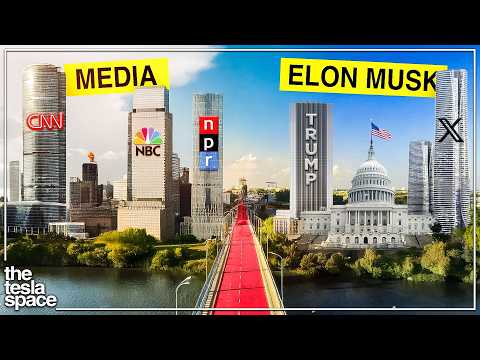
Elon Musk's acquisition of Twitter, now known as X, marks a significant shift in the media landscape, challenging traditional media's role and emphasizing user-generated content and authenticity over curated narratives.
In 2022, Elon Musk made a pivotal business decision that diverged from his well-known ventures in space and automotive industries. He purchased Twitter, a platform that has since been rebranded as X. This move was met with mixed reactions, and even today, there remains considerable confusion about its implications. This blog post aims to explore the profound changes Musk's acquisition has brought to the media landscape, particularly in the context of traditional media's decline.
Traditional media, encompassing radio, television, and newspapers, has faced significant challenges over the years. While these mediums are not entirely obsolete, they have been weakened by the advent of new technologies. For instance, the rise of radio in the 1920s and 30s diminished newspaper readership, and television further eroded radio's audience in the 1950s. Each new medium introduced a fresh competitor for public attention, but none managed to completely eliminate its predecessors.
The most significant disruptor in recent history has been social media, particularly with the emergence of platforms like Facebook. Although not the first social media site, Facebook revolutionized how people consumed information. It transformed from a simple forum for sharing personal updates to a vast platform filled with user-generated content. This shift democratized information access, allowing users to curate their own experiences and share them instantly.
As social media gained traction, it began to challenge traditional media's role as the primary source of news. The immediacy and authenticity of platforms like Twitter attracted users who preferred direct communication from public figures over filtered news reports. This shift was exemplified during Donald Trump's presidency, where Twitter became the primary channel for his unfiltered messages, undermining traditional media's gatekeeping role.
However, as social media platforms grew, they also faced pressures from advertisers and the need for monetization. This led to increased censorship and the sanitization of content, stripping away the authenticity that initially drew users to these platforms. The rise of engagement farming and clickbait headlines mirrored the tactics of traditional media, further complicating the landscape.
Amidst this backdrop, Musk's decision to purchase Twitter was not made in isolation. It was a response to the growing concerns about the authenticity and freedom of expression on social media. Musk's vision for X was to return to the platform's roots, fostering an environment where users could share their experiences and opinions freely.
Musk's approach stands in stark contrast to the increasingly restrictive practices of other platforms. While Facebook and Instagram tightened their content guidelines, Twitter had historically allowed a broader range of expression. However, even Twitter began to shift towards algorithmic curation, raising questions about the platform's commitment to free speech.
Musk's acquisition ignited a fierce battle between him and the establishment media. Traditional media outlets, feeling threatened by Musk's vision, reacted defensively. They had become accustomed to controlling the narrative and determining what was deemed acceptable discourse. Musk's push for authenticity and user empowerment challenged this status quo, leading to a significant cultural clash.
As the conflict unfolded, it became evident that the mainstream media was increasingly out of touch with the average person. The 2025 landscape reflects a new media environment where users are more likely to find genuine information on X than through traditional news outlets. Musk's assertion that "you are the media now" encapsulates this shift, emphasizing the power of individual voices in shaping public discourse.
Elon Musk's takeover of Twitter has catalyzed a transformation in how information is disseminated and consumed. By prioritizing user-generated content and authenticity, Musk has shifted the media landscape away from traditional gatekeepers and towards a more democratized model. As we navigate this new era, the implications of this shift will continue to unfold, challenging our understanding of media, truth, and the role of individuals in shaping public narratives. The future remains uncertain, but one thing is clear: the media landscape has irrevocably changed, and we are all part of this evolution.