Emergency Evacuation Procedures: What You Need to Know
In the event of an emergency during a flight, it is crucial to follow specific evacuation procedures to ensure safety. This post outlines the essential steps to take, including the use of life vests and the importance of using the nearest exits.
In the unlikely event of an emergency during a flight, knowing how to respond can save lives. This blog post outlines the critical steps passengers should take to ensure their safety and the safety of others during an evacuation.
Immediate Actions During an Emergency
When an emergency situation arises, the first thing to do is to remain calm and listen to the crew's instructions. The following steps are essential:
-
Evacuate Immediately: Upon hearing the emergency announcement, passengers should prepare to evacuate without delay. The urgency of the situation requires quick action.
-
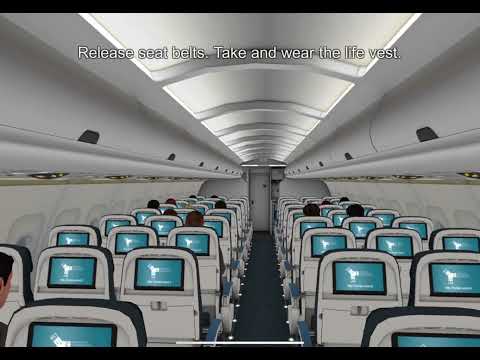
Release Seat Belts: Passengers should unbuckle their seat belts as soon as it is safe to do so. This action is crucial for a swift exit from the aircraft.
-
Wear Life Vests: If instructed, passengers must take the life vest located under their seat. It is important to only inflate the life vest when leaving the aircraft, as inflating it inside could hinder movement and escape.
Using the Exits
When evacuating, it is vital to use the exits that are closest to you. This ensures a faster and more efficient evacuation process. Here are some tips to keep in mind:
- Know Your Exits: Familiarize yourself with the location of the nearest exits as part of your pre-flight routine. This knowledge can be invaluable in an emergency.
- Follow Crew Instructions: Flight attendants are trained to handle emergencies and will guide passengers to safety. Always follow their directions.
- Stay Low: In the event of smoke, staying low to the ground can help avoid inhalation of harmful fumes.
Conclusion
Understanding emergency evacuation procedures is essential for all airline passengers. By knowing how to respond quickly and effectively, you can contribute to your safety and that of your fellow travelers. Always pay attention to safety briefings and be prepared for any situation that may arise during your flight.