In a dramatic incident involving a malfunctioning drone, passengers aboard a Concorde flight experience turbulence and military intervention. The crew navigates the situation while ensuring passenger safety amidst potential danger. This blog post details the unfolding events, the crew's responses, and the implications of such emergencies in aviation.
In the world of aviation, emergencies can arise unexpectedly, often requiring quick thinking and decisive action from the flight crew. One such incident occurred aboard a Concorde flight, where passengers found themselves in a precarious situation due to a malfunctioning drone. This blog post recounts the events as they unfolded, highlighting the crew's responses and the implications of such emergencies in aviation.
As the flight progressed, an urgent message crackled over the intercom:
"Attention all aircraft. All aircraft, please maintain present flight altitudes in vector spaces. We have an emergency. Repeat, emergency. We have a malfunctioning drone off course from a test range. The Air Force jets are responding."
This announcement immediately raised concerns among the passengers, prompting the flight crew to take action. The seat belt sign was illuminated, and the captain urged everyone to fasten their seat belts, indicating that turbulence might be expected.
The atmosphere in the cabin shifted as passengers began to express their anxiety. Questions filled the air: "What's happening? We're not turning back, are we?" The crew reassured them, explaining that the turbulence was likely the only concern at that moment. To ease the tension, the captain decided to play some music, humorously requesting that passengers refrain from dancing in the aisles. This light-hearted approach aimed to calm the nerves of those on board.
As the situation developed, the crew received further updates from Washington Center regarding military traffic in their airspace. The possibility of minor course changes was introduced, and the captain reiterated the importance of remaining seated with seat belts fastened. The crew's professionalism and calm demeanor were crucial in maintaining a sense of order amidst the uncertainty.
Tension escalated when it was reported that the drone had locked onto its target. The crew's focus shifted to ensuring the safety of the passengers while navigating the potential threat. The captain's command was clear: evasive action was not an option. "If we start juking around the sky, that needle-nose bugger will nail us when we can't see him," he stated, emphasizing the need for a steady course to avoid provoking the drone.
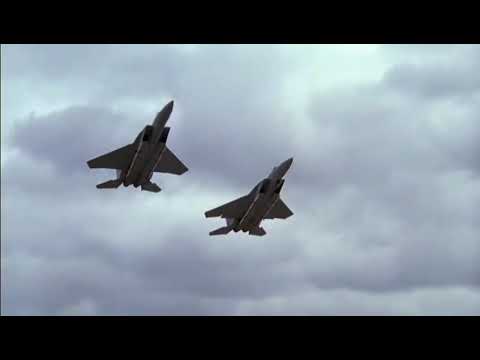
As the situation reached its peak, the crew prepared for the worst. The drone was closing in, and the urgency of the moment was palpable. The captain's voice remained steady, but the gravity of the situation was evident. "I can't shake that bug bastard. F15 is at 10:00," he reported, indicating the proximity of military jets that were responding to the threat. The crew's training and experience were put to the test as they navigated this critical moment.
The incident aboard the Concorde flight serves as a stark reminder of the complexities and dangers of modern aviation. While the crew managed to maintain control and ensure passenger safety, the potential for emergencies involving military drones raises important questions about airspace security and the protocols in place to handle such situations. As technology continues to evolve, so too must the strategies for ensuring the safety of all who travel in the skies.
In the end, the professionalism of the flight crew and the cooperation of the passengers played a vital role in navigating this emergency, showcasing the resilience and preparedness required in the face of unexpected challenges.