This article explores the recent revelations about Jeffrey Epstein's connections in Hollywood through publicist Peggy Seagull, including her role in introducing Epstein to celebrities and Prince Andrew. It also covers highlights and controversies from the recent Oscars, including Paul Thomas Anderson's wins and the campaigning of Timothy Shalomé.
Over the weekend, a mix of viral, funny, and serious moments unfolded, capturing the attention of many. Among the most significant stories were the revelations about Jeffrey Epstein's connections in Hollywood and the drama surrounding the recent Oscars ceremony. This article breaks down these stories, providing detailed insights and commentary.
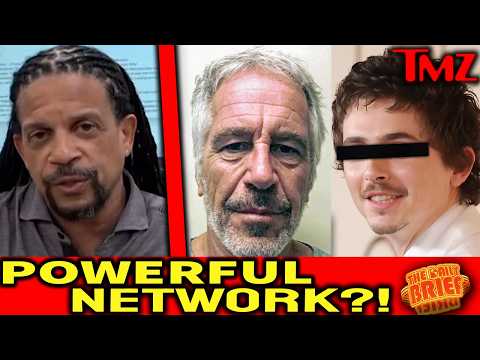
Peggy Seagull, a well-known Hollywood publicist, has come under scrutiny following the release of approximately 5,000 emails between her and Jeffrey Epstein over a decade. These emails revealed a close professional relationship that has since derailed her career.
Seagull admitted to accepting a $100,000 birthday gift from Epstein, highlighting the financial ties that complicated her moral stance. She was instrumental in shepherding Epstein into elite social circles, leveraging her celebrity connections to get him invited to high-profile events.
One startling revelation was that Epstein attended the 2013 Met Gala, a premier celebrity event, despite having served time in Florida in 2009 for solicitation of an underage prostitute. Peggy Seagull claimed responsibility for facilitating his entry into such exclusive gatherings.
Seagull also worked with Harvey Weinstein, and she described how she merged the worlds of Weinstein and Epstein, a disturbing connection given the allegations against both men.
When questioned about her knowledge of Epstein's crimes, Seagull admitted she was in denial but aware of his conviction and morally compromised nature. She confessed to turning a blind eye to the heinous aspects of his behavior, citing the difficulty of confronting the reality of child pornography.
The $100,000 gift from Epstein was described as intoxicating, illustrating how financial incentives can lead individuals to overlook serious ethical concerns. Seagull's relationship with Epstein spanned nearly eight years, during which she organized parties and events that connected Epstein with influential figures.
Seagull organized a party aimed at introducing Epstein to Prince Andrew and also to promote Harvey Weinstein's film "The King's Speech" to the royal family. Although Weinstein did not secure a royal endorsement, the event highlighted the strategic social maneuvering behind these connections.
In a disturbing twist, Epstein asked Seagull to find him a "baby mama," specifying criteria such as youth, intelligence, and a lack of family ties. Seagull thoughtfully considered the type of woman who would fit this role, revealing a calculated and unsettling approach to Epstein's personal plans.
Seagull suggested inviting Woody Allen to one of Epstein's parties but expressed concern about potential backlash due to Allen's own controversies. This selective worry contrasted sharply with her disregard for Epstein's criminal history.
Seagull's career has effectively ended due to the fallout from these revelations. While she has not been charged criminally, her admissions and the email evidence paint a picture of complicity and moral failure.
Film enthusiast Talia expressed excitement over Paul Thomas Anderson (PTA), whom she regards as one of the greatest directors of all time. Anderson's film "One Battle After Another" swept the Oscars, earning him the Best Director award, his first Oscar win.
Shawn Penn won an Oscar for his performance but was notably absent from the ceremony, reportedly flying to Ukraine to meet with Volodymyr Zelenskyy. This absence was seen as emblematic of Penn's commitment to activism over Hollywood appearances.
The dynamics among the cast of "Killers of the Flower Moon" were discussed, with Leonardo DiCaprio appearing somewhat disengaged during the ceremony, contrasting with the exuberance of co-stars like Tiana Taylor.
Timothy Shalomé, known for his role in "Call Me By Your Name," was a polarizing figure due to his aggressive Oscar campaigning for his film "Marty Supreme." While his marketing efforts were creative and extensive, some felt they were over the top and possibly detrimental to his chances.
Michael B. Jordan's Oscar win was celebrated as a long-overdue recognition of his hard work and talent. His presence in upcoming films like "Dune" was also noted.
Songwriter Diane Warren's relentless campaigning for an Oscar was highlighted, with some viewing her strategy of personally engaging voters as both effective and somewhat controversial.
The discussion touched on the evolving nature of film consumption, the importance of the theatrical experience, and the subjective nature of awards. The hosts expressed hope for a renaissance in cinema and appreciation for diverse genres and storytelling.
The weekend brought to light troubling connections between Jeffrey Epstein and Hollywood elites, revealing the complex and often dark intersections of power, money, and morality. Simultaneously, the Oscars provided moments of celebration and controversy, reflecting the vibrant and sometimes contentious world of film. As these stories continue to unfold, they offer a window into the challenges and triumphs of the entertainment industry and society at large.
This comprehensive recap aims to inform readers about the significant events and discussions from the weekend, blending investigative revelations with cultural commentary.