Climbing Kilimanjaro is a rewarding experience, but safety must be prioritized. This guide covers essential safety measures, including acclimatization, proper gear, nutrition, and emergency procedures to ensure a safe ascent.
Climbing Mount Kilimanjaro is a remarkable achievement that attracts adventurers from around the globe. However, ensuring safety during this challenging trek is paramount. In this post, we will explore the key safety measures that climbers should consider when planning their ascent.
One of the most critical aspects of climbing Kilimanjaro is acclimatization. At African Scenic Safaris, we recommend itineraries that allow ample time on the mountain. This approach involves longer hiking days with shorter distances, enabling climbers to walk slowly and arrive at camps early. This strategy provides climbers with sufficient time to rest and acclimatize, significantly reducing the risk of altitude sickness.
Safety on Kilimanjaro is greatly enhanced by the presence of well-trained mountain guides. At African Scenic Safaris, our guides are certified as Wildlife First Responders. This training equips them to monitor climbers closely, recognizing any changes in their condition. Should any issues arise, our guides are prepared to take necessary actions to ensure climbers' safety.
Proper nutrition and hydration are vital for a successful climb. Climbers need to consume a balanced diet rich in proteins and vitamins to maintain their strength. At African Scenic Safaris, we provide flavorful and nutritious meals that cater to the high energy demands of climbing. Additionally, staying hydrated is crucial, as climbers will be burning a significant number of calories during their ascent.
Having the right gear is another critical component of climbing safety. We provide a comprehensive list of necessary equipment for climbers, ensuring that everyone is well-prepared. During our final briefing, we check that all clients have appropriate gear that can withstand various weather conditions, including rain, wind, and snow. Proper gear not only enhances comfort but also helps prevent altitude sickness.
Climbing Kilimanjaro is not a solo endeavor. Our team consists of experienced guides, assistant guides, cooks, and porters who play a vital role in ensuring climbers' safety and comfort. Our porters, who have extensive experience, assist climbers by carrying equipment and providing support throughout the journey. This teamwork is essential for a safe and successful climb.
Despite thorough preparations, emergencies can occur. At African Scenic Safaris, we have established procedures to address any issues that may arise during the climb. Each climber is required to complete a declaration form, allowing us to understand their health status before and during the trek.
Every evening, we conduct medical check-ups, including pulse oximeter readings to monitor oxygen levels and heart rates. We also ask climbers about any symptoms they may be experiencing, such as headaches or breathing difficulties. This proactive approach helps us identify potential problems early.
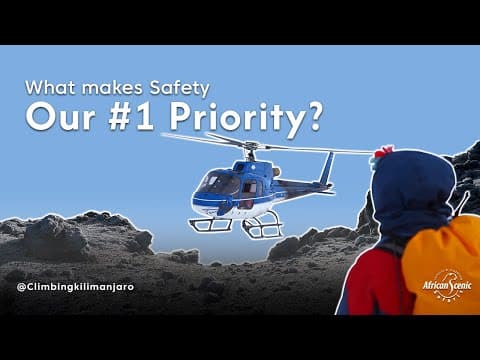
In the event of an emergency, we have three evacuation methods:
Climbing Kilimanjaro is an exhilarating experience, but safety must always come first. By prioritizing acclimatization, relying on trained guides, maintaining proper nutrition, using the right gear, and having a solid support team, climbers can significantly enhance their safety on the mountain. Remember, reaching the summit is a goal, but ensuring a safe journey is the top priority.