Losing your luggage or discovering that someone has tampered with it is a nightmare for any traveler. With airlines mishandling approximately 25 million bags each year, and nearly one in ten checked bags getting lost, stolen, or tampered with, it’s crucial to take steps to protect your belongings. Here’s a comprehensive guide to ensure your luggage remains safe throughout your journey.
Choosing the Right Suitcase
Your suitcase is your first line of defense against theft. Here are some tips for selecting the right one:
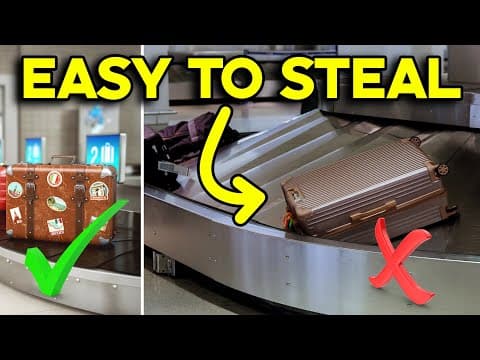
- Opt for Hard-Shell Suitcases: Soft-sided bags are vulnerable to being sliced open. Choose hard-shell options made from polycarbonate or aluminum, which are tougher and harder to break into.
- Limit Exterior Pockets: While bags with many exterior pockets may seem convenient, they provide thieves with too many access points. Fewer zippers mean fewer problems.
- Use Double Zippers: If possible, select bags with double zippers or interlocking anti-theft zippers that are difficult to pry open.
Understanding Zipper Security
Even a locked zipper can be compromised. Thieves often use a technique known as the pen trick, which allows them to split open zipper teeth. To counter this:
- Choose Anti-Puncture Zippers: These zippers lock tightly together, making it difficult for anyone to force them open.
- Consider Zipperless Bags: Bags with latches are harder to tamper with than traditional zippers.
Locking Your Luggage
A TSA-approved lock can deter thieves, but not all locks are created equal. Here’s what to look for:
- Reinforced Steel Shackles: Choose locks that are difficult to cut or pick.
- Cable Locks: Use these to secure your zippers to a fixed point on your bag, making it harder for someone to open it without causing a scene.
Using Security Seals
Security seals are an effective way to detect tampering:
- Disposable Locks: Attach these to your suitcase zippers or handles. If someone tries to open your bag, they’ll have to break the seal, leaving clear evidence of tampering.
- Brightly Colored Seals: Use these to make your suitcase less appealing to thieves, as they signal that tampering will be obvious.
Making Your Luggage Less Attractive
Sometimes, the best way to protect your bag is to make it look unappealing:
- Avoid Flashy Designs: A brand-new designer suitcase can attract unwanted attention. Instead, opt for a plain or worn-out bag.
- Wrap Your Suitcase: Use tape, stickers, or cling film to make your bag look like a hassle to open.
Documenting Your Luggage
In case your luggage gets lost or stolen, having proof of its appearance and contents is crucial:
- Take Photos: Before checking in, photograph the outside of your bag, including unique markings and the baggage tag. Also, document the inside, especially valuable items.
- Keep an Inventory: Maintain a list of high-value belongings and save receipts to streamline the claims process.
The Importance of Travel Insurance
Travel insurance can be a lifesaver if your luggage goes missing. Here’s what to consider:
- Read the Fine Print: Not all policies cover lost luggage the same way. Some airlines reimburse for essentials if your bag is delayed, but you need to know the policy beforehand.
Timing Your Check-In
When you check your luggage can impact its safety:
- Check In Close to Departure: The longer your bag sits in the airport, the more vulnerable it becomes. Drop off your luggage as close to your flight time as possible.
Tagging your bag as "priority" or "high-value" can backfire:
- Skip These Labels: They can signal that your luggage contains expensive items, making it a prime target for theft.
Keeping Your Luggage in Sight
Airports are busy places, making them ideal for thieves:
- Always Watch Your Bags: Keep your luggage within sight, especially during check-in, security, and baggage claim. If traveling with others, take turns watching the bags.
Choosing the Right Airline
Some airlines have higher rates of lost luggage:
- Research Airlines: Check reviews and baggage handling statistics before booking your flight. Opt for direct flights when possible to minimize the risk of lost luggage.
Tracking Your Luggage
If your luggage goes missing, having the right details can make tracking it down easier:
- Take Photos of Receipts: Photograph your baggage claim receipt and attach a luggage tag with your contact information.
- Use Real-Time Tracking: Many airlines offer apps that allow you to track your luggage in real-time.
Resetting Lock Codes
Many suitcases come with default lock codes that are widely known:
- Change the Combination: Reset the lock code to something unique as soon as you get a new suitcase.
Packing Essentials Wisely
Instead of spreading valuables across multiple bags:
- Keep Essentials in a Carry-On: Store your passport, cash, electronics, and jewelry in a single carry-on to ensure you know where your most valuable items are.
Protecting Fragile Items
Wrap fragile items in soft clothes to prevent damage:
- Use Compression Straps: These help keep everything in place and prevent accidental spills during transit.
Utilizing Technology
Combine airline tracking with personal tracking devices:
- Use AirTags or Tile Trackers: These devices provide real-time pinpoint accuracy for your luggage, even if the airline loses track of it.
Filing a Report for Lost Luggage
If your bag doesn’t arrive on time, act quickly:
- File a Report Immediately: Most airlines require lost luggage claims within 24 hours. Head to the airline’s baggage service counter and request a Property Irregularity Report (PIR).
Choosing the Right Luggage Delivery Service
Some airlines offer luggage delivery services:
- Consider the Cost: While this option can be more secure, it is usually more expensive than standard checked baggage fees.
Understanding Airline Policies
Different airlines have different policies for lost or delayed luggage:
- Check Compensation Policies: Know what to expect if your bag goes missing, including reimbursement for essentials if your luggage is delayed.
Final Thoughts
No matter how well you prepare, there’s always a chance your luggage could go missing. To minimize stress, remember:
- Never Check What You Can’t Afford to Lose: Always keep essential items in your carry-on and pack enough essentials to last at least 48 hours.
- Plan Ahead: Keep your airline’s customer service number handy and save your boarding pass and baggage claim ticket.
By taking these precautions, you can travel with confidence, knowing that you’ve done everything possible to protect your luggage. Safe travels, and may your belongings always arrive with you!