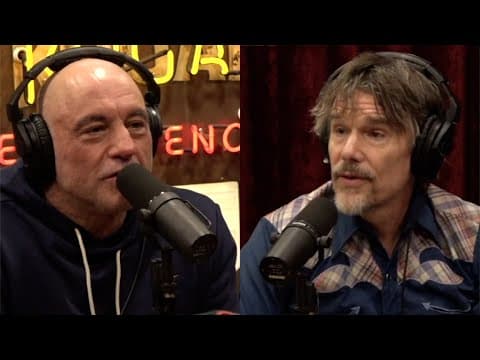
Ethan Hawke shares his experiences starting as a child actor at age 12, his early struggles with a failed movie, and how landing a role in Dead Poets Society changed his perspective on acting and life. He discusses the influence of his family, mentors, and the lessons learned about passion, failure, and artistic commitment.
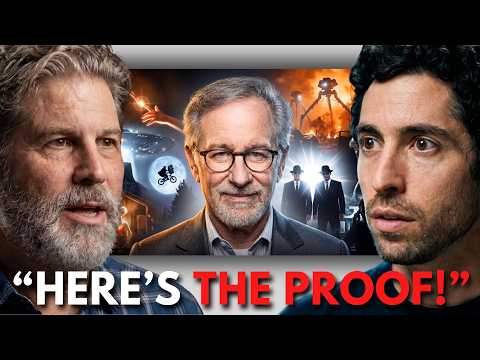
Ethan Hawke recently shared insights into his early acting career during an interview on the Joe Rogan Experience. From his beginnings as a 12-year-old child actor to his breakthrough role in Dead Poets Society, Hawke's story is one of discovery, resilience, and artistic growth.
Hawke's entry into acting was somewhat accidental. At age 12, with no interest in winter sports and a mother unsure of how to keep him occupied, he was signed up for an acting class at the Paul Robson Center of Performing Arts by a neighbor. It was there that a local theater company head invited him to participate in a play.
His first role was in George Bernard Shaw's St. Joan at the Marter Theater in New Jersey. Despite having only one line, the experience was transformative. Hawke observed the actors' passion and the creative process during rehearsals, which sparked his desire to pursue acting seriously. He noted how his parents disliked their jobs and how the theater environment was vibrant and engaging, contrasting with his parents' daily lives.
Through connections, Hawke learned about open casting calls in New York and began auditioning. At 14, he landed a role in a $30 million movie directed by Joe Dante, known for Gremlins. Filming took place in Los Angeles, where Hawke lived with his grandmother, who had her own Hollywood dreams.
Despite the excitement, the movie was a commercial failure. Hawke and his co-star River Phoenix, both 14 at the time, experienced the harsh reality of the industry when the film was poorly received. This disappointment led Hawke to temporarily abandon his acting ambitions and return to high school.
After graduating high school and attending college, Hawke was unhappy and decided to audition for Dead Poets Society. He approached the audition with no expectations, prepared for rejection. However, he secured one of the seven roles and dropped out of college to pursue acting full-time.
The success of Dead Poets Society marked a significant shift in Hawke's career. Unlike his first film experience, he did not immediately grasp the movie's impact, having braced himself for failure. This mindset helped him appreciate the craft of acting beyond fame or commercial success.
Working on Dead Poets Society introduced Hawke to a community of passionate actors and filmmakers, including Robin Williams and director Peter Weir. He admired Weir's dedication to treating acting as an art form and a life commitment rather than just a career.
Hawke reflected on the film's themes, describing it as a meditation on "carpe diem"—seizing the day and living fully. The rehearsal process and the film's message resonated deeply with him, shaping his approach to acting and life.
Ethan Hawke's journey from a curious 12-year-old in a local theater to a celebrated actor in Dead Poets Society is a testament to perseverance and passion. His early setbacks taught him valuable lessons about failure and motivation, while his later success reinforced the importance of dedication to one's craft. Hawke's story encourages aspiring actors and artists to pursue their passions with authenticity and resilience, embracing both the challenges and rewards of the creative life.