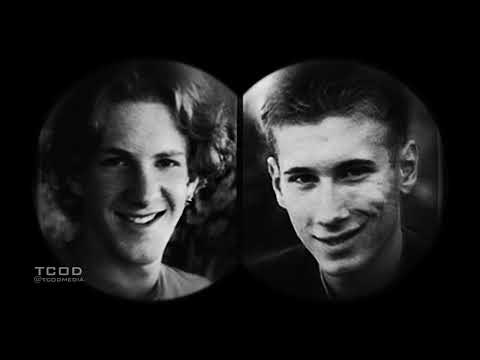
This blog post explores the racial attitudes of Columbine shooters Eric Harris and Dylan Klebold, analyzing their writings, survivor testimonies, and expert opinions. While evidence suggests they held racist beliefs, their motivations appear to stem more from a broader misanthropy and personal grievances than from racial animus alone.
The tragic events of April 20, 1999, at Columbine High School, where Eric Harris and Dylan Klebold carried out a brutal attack, left a lasting impact on American society. This incident claimed the lives of 13 individuals and injured 24 others, igniting debates on school safety and gun control. Amid the many questions surrounding their motivations, one persists: Were Harris and Klebold racist?
Eric Harris and Dylan Klebold grew up in predominantly white neighborhoods in Littleton, Colorado. Their environment likely limited their interactions with racial minorities, with most of their exposure coming from media portrayals that often depicted minorities negatively. This context raises questions about the influences on their racial beliefs, including potential racist attitudes from family and friends.
To understand the racial attitudes of Harris and Klebold, we must examine their writings. Both left behind extensive journals and videotapes that provide insight into their thoughts and motivations.
Eric Harris's writings reveal overtly racist and bigoted sentiments. He expressed hatred towards various racial groups, using derogatory language and advocating for violence against them. Some of his journal entries include:
These passages illustrate a clear disdain for racial minorities and a belief in white supremacy.
In contrast, Dylan Klebold's writings were more introspective and less explicitly hateful. He often discussed feelings of alienation, depression, and anger but did not frequently target specific racial or ethnic groups. However, he did reflect some of Harris's sentiments in his private writings, indicating a shared worldview.
Despite the evident racist beliefs held by Harris and Klebold, their killing spree does not appear to have been racially motivated. The majority of their victims were white, consistent with the demographic makeup of their school. However, there were exceptions, such as Isaiah Scholes, an African-American student who was reportedly targeted with racial slurs during the attack. This incident suggests a potential racially motivated element in his specific case.
Survivor accounts provide additional context. Some reported hearing Harris and Klebold use racial epithets during the attack, while others recalled Harris expressing racist views in the months leading up to the shooting. However, many who knew the pair described them as more misanthropic than racist, suggesting their animosity was directed at society as a whole rather than specific racial groups.
The motivations of Harris and Klebold appear to stem from a profound sense of alienation and a desire for revenge against those they felt had wronged them. Harris expressed a desire for ultimate revenge, stating:
This sentiment reflects a broader misanthropy rather than a singular focus on race.
Experts have offered varied interpretations of the motivations behind the Columbine tragedy. Dr. Peter Langman, a psychologist, argues that Harris and Klebold's actions were driven more by a desire for power and recognition than by specific racial animus. Conversely, Professor Katherine Newman, a sociologist, suggests that while racism was a factor in their worldview, it was not the central one. She emphasizes the complex interplay of mental health issues, social dynamics, and personal grievances in understanding their motivations.
Determining whether Eric Harris and Dylan Klebold were racists is complex. Their writings and actions indicate they harbored racist sentiments, but these were part of a larger, more generalized hatred towards society. The evidence suggests that while racism played a role in their worldview, it was not the defining element of their motivations. The Columbine Massacre remains a multifaceted tragedy, driven by a toxic blend of psychological, social, and cultural factors. Ultimately, the actions of Harris and Klebold were fueled by a pervasive misanthropy that transcended racial lines, leading to one of the most devastating school shootings in American history.