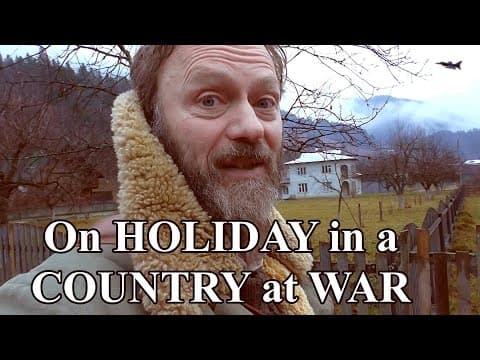
This article explores the experience of holidaying in the western region of Ukraine, the Carpathian Mountains, amidst the ongoing war in the country. Despite the conflict, the area remains a peaceful tourist destination with vibrant local life, cultural richness, and ongoing community resilience. The piece reflects on parallels with other conflict zones and highlights the unique charm and challenges of visiting Ukraine during wartime.
Years ago, traveling to places affected by conflict yet still vibrant with life was not unusual. For instance, a trip to Ephesus in Turkey revealed a bustling tourist destination despite the country being at war with the Kurds. Similarly, visiting Ireland during a period of protracted terrorist campaigns did not deter tourists from exploring its scenic beauty. These experiences set the stage for understanding how life and tourism persist even in countries facing conflict.
Today, the focus shifts to Ukraine, a country currently engaged in a war, yet still offering unique travel experiences, particularly in its western region—the Carpathian Mountains.
Located far from the active conflict zones, the Ukrainian Carpathians have long been a popular destination for tourists seeking fresh air and outdoor activities such as hunting, fishing, and hiking. The region attracts mainly tourists from neighboring countries like the Czech Republic and Poland, offering an affordable and picturesque holiday option.
Despite the ongoing war, the Carpathians remain open for business. Visitors are welcomed warmly, and their presence is appreciated not only culturally but also economically, as Ukraine benefits from the influx of foreign currency during these challenging times.
A few days spent in Lviv, a city in western Ukraine, reveal a striking normalcy. Walking through the city center for two days, no evidence of war damage was visible—no broken windows, shrapnel marks, or fires. The city appeared vibrant and alive, with shops, cafes, and museums operating as usual.
The only subtle differences included a few church windows boarded up and an increased presence of war-related souvenirs in tourist shops. Nonetheless, the atmosphere remained welcoming and peaceful.
The Carpathian region is architecturally reminiscent of an ex-Soviet Switzerland, with steep hillsides dotted with isolated cabins. Many buildings feature silvery metal roofs adorned with stamped and rococo decorations, though a significant number still have asbestos roofs, a reminder of older construction practices.
Hospitality is a hallmark of the region. The author recounts being invited into a stranger's home for tea and cake, exemplifying the warmth of the local people.
One notable feature in many gardens is small tower-like structures, which might be mistaken for dovecots, beehives, or shrines. These are actually wells, crucial for ensuring access to drinking water if infrastructure like sewage works is targeted during the conflict.
Shrines are abundant throughout the region, often built by families mourning lost loved ones. Some locals express concern that resources spent on these memorials might be better used to support the war effort, such as purchasing drones to prevent further losses.
The region embraces its traditions, with Christmas celebrations featuring nativity scenes and festive lights. The dress code among locals often includes black puffer jackets, a common sight that humorously complicates descriptions to authorities when identifying individuals.
The landscape includes charming yet bouncy footbridges and traditional haystacks, adding to the rustic appeal of the area.
Despite the ongoing war, construction and investment in holiday homes continue, although finding skilled builders has become more difficult. Some buildings remain unfinished, possibly due to shifting priorities in light of the conflict.
Gardens often include smoking houses used for preserving various foods, including cheese, reflecting enduring cultural practices.
Importantly, the Carpathians are currently well beyond the reach of Russian artillery, providing a relative safe haven for tourists and locals alike.
Traveling to Ukraine now requires alternative routes, as direct flights are unavailable. The author flew to Poland and then took a train into Ukraine, choosing to share only part of this journey with family to avoid concern.
The greatest risk encountered was from traffic accidents rather than any conflict-related danger, underscoring the relative safety of the region.
Visiting the Ukrainian Carpathians offers a unique perspective on life in a country at war. It reveals a region where normalcy persists amidst conflict, where cultural richness and community resilience shine through. Tourists can experience the beauty and hospitality of western Ukraine while contributing to the local economy during challenging times.
This journey serves as a reminder that even in the shadow of war, life continues, and places like the Carpathians remain open to those seeking adventure, culture, and connection.