This blog post delves into ten North Korean cities that are often overlooked, highlighting their unique characteristics, historical significance, and economic roles within the country.
When people think of North Korea, the capital city of Pyongyang often comes to mind. However, there are numerous other cities and towns in this enigmatic country that remain largely unknown to the outside world. In this post, we will explore ten such cities, uncovering their unique features, historical significance, and the lives of their inhabitants.
Hamhung is North Korea's second-largest city, located in the southeast of the country along the Sea of Japan, which is referred to as the East Sea of Korea in North Korea. With a population of approximately 750,000, Hamhung plays a crucial role in the country's industrial sector, particularly in chemicals and steel production.
Historically, Hamhung was heavily impacted during the Korean War, suffering extensive destruction. Today, it boasts several cultural and historical sites, including the Hamhung Grand Theater and various Buddhist temples. However, these attractions are primarily accessible to domestic tourists, as foreign visitors require special permits to explore them.
Rasan is a special administrative region located in the northeast, near the borders with China and Russia. This unique status allows it to operate under different economic regulations, including tax breaks aimed at attracting foreign investment, predominantly from its neighboring countries.
Rasan is notable for its two ports, which are vital for international trade, albeit limited to China and Russia due to Western sanctions. As China’s labor costs have risen, North Korea has stepped in to provide low-wage labor for manufacturing, making Rasan an important hub for this economic activity.
Located about a 45-minute drive from Pyongyang, Nampo is another significant city, primarily known for its manufacturing industry and as home to one of North Korea's key ports, Nampo Port. Unlike Rasan, Nampo is not designated as a special administrative zone.
The city sits on the West Sea of Korea, which is known as the Yellow Sea in other parts of the world. Its strategic location allows for trade with large Chinese cities just across the water, making it an essential part of North Korea's economy.
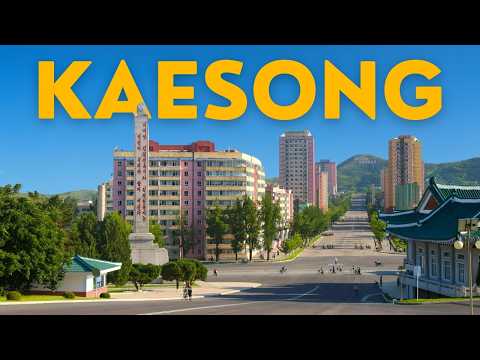
Kaesong holds historical importance as it served as the capital of Korea during the Goryeo dynasty from the 10th to 14th centuries. The city is rich in historical sites, including ancient temples, palaces, and tombs, with two UNESCO World Heritage sites located within its vicinity.
Kaesong's proximity to the Demilitarized Zone (DMZ) adds to its political significance, making it a city of interest for both historians and tourists.
Wonsan is a port city on the east coast of North Korea, known more for its natural beauty than for manufacturing. It is home to the Wonsan-Mt. Kumgang International Tourist Zone, which was developed to attract both domestic and foreign tourists, although foreign tourism has been heavily restricted in recent years.
Wonsan is recognized as a beach resort city, with the nearby mountains offering the country's best ski resort, making it a popular vacation spot for the elite.
Hyesan is a city located on the border with China, separated by the Yalu River. This city is significant due to its role in cross-border trade and smuggling, with many North Koreans reportedly crossing the border to engage in unofficial trade.
The goods traded often include raw materials, food, electronics, and medical supplies, highlighting the economic challenges faced by the country.
Chongjin is a modest city in the southeast, with a population of around 100,000. The economy here is primarily based on agriculture and natural resources. The city overlooks the Sea of Japan and is characterized by its rural landscape.
On the Chinese side of the border, Dan Dong contrasts sharply with its North Korean neighbor, Cui Ju. Dan Dong is a bustling city filled with high-rise buildings and vibrant nightlife, while Cui Ju is known for its focus on trade and smuggling, with a population estimated at half a million.
Ryonchon is a town located just south of Sinui, known for a tragic event in 2004 when a train carrying flammable cargo exploded, resulting in significant casualties. This incident marked one of the deadliest rail accidents in North Korean history, with the explosion felt as far away as the Chinese city of Dandong.
Kijong-dong, often referred to as the "peace village," is situated near the DMZ and was constructed to project an image of prosperity and peace. The town features modern infrastructure, including tall buildings and factories, but satellite imagery suggests it is largely uninhabited.
The town is famous for its flagpole, which was erected in response to a similar structure on the South Korean side of the DMZ, showcasing the ongoing rivalry between the two nations.
These ten cities and towns in North Korea offer a glimpse into a country that is often shrouded in mystery. Each location has its own unique story, reflecting the complex history and socio-economic landscape of North Korea. If given the opportunity, visiting these lesser-known cities could provide fascinating insights into one of the most enigmatic nations in the world.