
This blog post delves into the historical fluctuations of sea levels influenced by catastrophic events, exploring how these changes affected ancient cultures and the development of the Teutonic realm, particularly in regions like Porta Westfalica and Osnabrück.
In this second part of our exploration of the ancient world, we delve into the fascinating topic of sea levels and water levels influenced by catastrophic events, the rise and fall of cultures, and the historical context surrounding these changes. Throughout history, there have been periods when the Earth had significantly less water than today, as well as times when water levels were much higher than we currently perceive.
The discussion begins with the acknowledgment of the immense ice sheets that once covered parts of Germany, with estimates suggesting up to 500 meters of ice in certain areas. Historical texts, such as the Historia Naturalis, document how quickly water levels could drop, sometimes by as much as one meter per year, revealing new ports and harbors in previously submerged lands.
Natural disasters have played a crucial role in shaping the geography and culture of regions. The video highlights how these events correlate with the historical narrative of our ancient cultures, particularly in the context of the Teutonic realm. The speaker emphasizes the importance of understanding these events to grasp the historical significance of various locations.
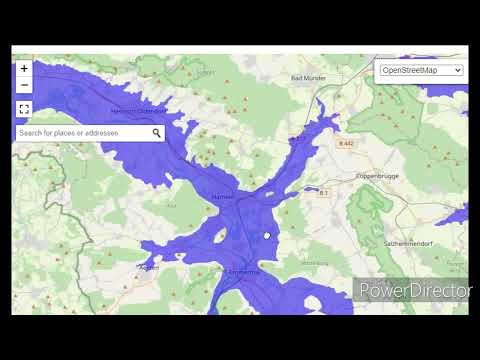
The speaker presents a simulation of sea levels in the Porta Westfalica and Osnabrück regions, illustrating how these areas were once shaped by significant water bodies. By adjusting the sea level to 100 meters above today's normal, the simulation reveals natural harbors and geographical features that would have been prominent in ancient times.
The exploration also includes a linguistic analysis of place names in the region. For instance, the name "Osnabrück" is interpreted as the bridge to the east, indicating its historical significance as a trade route and cultural exchange point. The speaker connects these names to their meanings in Old High German, providing a deeper understanding of the region's history.
As the discussion progresses, the speaker reflects on how fluctuating water levels influenced settlement patterns and cultural development. The ancient city of Ibbenbüren, for example, is described as a conditional residence, highlighting how the presence of water shaped habitation and lifestyle.
The speaker emphasizes that as water levels receded, new land emerged, allowing for the establishment of towns and cities. This transformation is illustrated through various examples, such as the development of Bad Pyrmont and Bodenwerder, which were once submerged but later became significant settlements.
The narrative shifts to discuss the external forces that impacted the Teutonic realm, particularly invasions from the east. The speaker argues that historical accounts often portray internal conflicts among Germanic tribes, overshadowing the significant external threats they faced from invading forces.
The discussion also touches on the legacy of the Teutonic Knights and their role in shaping the region's history. The speaker suggests that the historical narrative has often been manipulated, leading to a misunderstanding of the true nature of these conflicts and the cultural exchanges that occurred.
In conclusion, the exploration of ancient waters and their impact on sea levels provides a unique lens through which to view the development of cultures and civilizations. By understanding the historical context of these changes, we can gain insight into the resilience and adaptability of ancient peoples in the face of natural disasters and external threats. The narrative of the Teutonic realm is not just one of conflict but also of cultural richness and transformation, shaped by the very waters that once defined their existence.
As we continue to uncover the layers of history, it becomes clear that the stories of our ancestors are deeply intertwined with the natural world, reminding us of the ever-changing landscape of human civilization.



















