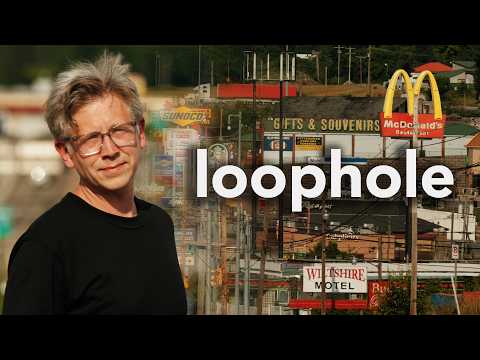
Breezewood, Pennsylvania, a unique travel stop, has become a symbol of America's highway culture and the complexities of public policy. This blog post delves into its history, the impact of federal highway legislation, and the cultural significance of this roadside oddity.
This is Breezewood, Pennsylvania, a fascinating traffic oddity that has captured the attention of many travelers and photographers alike. Known for its clutter of gas stations and fast food outlets, Breezewood has become a meme representing a uniquely American experience. In 2022, 2.65 million vehicles exited at the Breezewood interchange, making it a significant stop for those traveling along Interstate 70. This blog post takes you on a journey through Breezewood's history, its role in American highway culture, and the unintended consequences of public policy decisions.
Breezewood is not just a random stop; it has a rich history as a transit center. It appears on maps dating back to 1912 and became a notable point on the Lincoln Highway, finalized in 1930. The development of the Pennsylvania Turnpike in 1940 further solidified Breezewood's status as a travel hub. The turnpike transformed the area, creating a bustling center for travel, lodging, and dining.
The Federal Aid Highway Act of 1956 was a pivotal moment in American transportation history, allocating $51 billion for highway construction. This act led to significant changes in how highways were built and connected. Breezewood became a critical junction between Interstate 70 and the Pennsylvania Turnpike, but the way this connection was handled would lead to unforeseen complications.
Federal regulations initially prohibited the use of federal funds to create direct connections between free highways and toll roads unless certain conditions were met. In Breezewood, this meant that a direct interchange would either destroy the town or cost the Turnpike money to build. Instead, a workaround was devised: a quarter-mile stretch of the Lincoln Highway was used to provide drivers with a free option, allowing the Turnpike to maintain its tolls while still accessing federal funds. This decision turned Breezewood into a travel purgatory filled with motels and restaurants, creating a unique commercial complex.
As traffic increased, Breezewood became a phenomenon, with up to 50,000 cars passing through daily in 1967. However, this growth came with challenges. The town's layout and the influx of commercial establishments made it difficult to provide the direct connections that would have benefited travelers. The unintended consequences of these policy decisions have left Breezewood in a state of limbo, where walking is often unwelcome, and the landscape is dominated by fast food chains and gas stations.
During my visit, I aimed to recreate Edward Bertinsky's iconic 2008 photograph of Breezewood. Bertinsky's work captures the essence of the area, using a long lens to create a claustrophobic feel that emphasizes the overwhelming presence of commercialism. While I struggled to replicate his shot, I gained a deeper appreciation for his artistic vision and the story he tells through his photography.
In addition to the bustling Breezewood, I discovered the abandoned Pennsylvania Turnpike nearby. Once a vital route, it now serves as a path for runners and bikers, a stark contrast to the commercial chaos of Breezewood. This juxtaposition highlights the evolution of transportation in the area and raises questions about the future of Breezewood as plans for redesign and connection to Interstate 70 unfold.
As Breezewood undergoes redesign efforts, there are concerns about whether it will maintain its unique character or become another abandoned relic of the past. The ongoing changes in commerce and infrastructure will undoubtedly shape the town's future, and it remains to be seen how these developments will impact the local economy and community.
Breezewood, Pennsylvania, is more than just a quirky roadside stop; it is a reflection of America's complex relationship with transportation and public policy. The decisions made in the past have created a cultural phenomenon that continues to intrigue travelers and photographers alike. As we navigate the future of our highways and towns, it is essential to consider the implications of our choices on the landscapes we inhabit. My visit to Breezewood was not just a trip through a meme; it was an exploration of the intricate web of history, policy, and culture that defines this unique American experience.