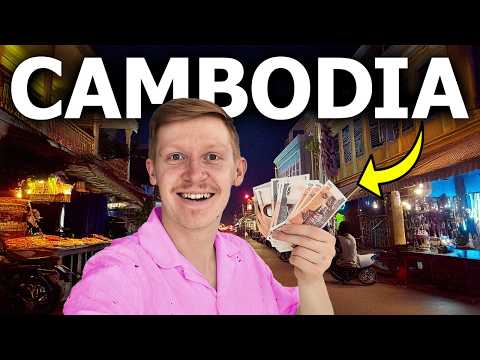
This blog post explores the purchasing power of £100 in Cambodia, detailing various experiences from shopping at local markets to enjoying a water park, dining at restaurants, and engaging in activities like archery, all while highlighting the vibrant culture and affordability of the country.
When traveling to a new country, understanding the local economy and how far your money can stretch is essential. In this blog post, we will explore how far £100 can take you in Cambodia, a country known for its rich culture and affordability. With half a million Cambodian riel in hand, we set out to discover what this amount can buy.
Our journey begins at the Russian Market, a bustling hub filled with various stalls selling everything from clothing to souvenirs. The first thing that strikes you is the abundance of clothes available, including hats and football kits. After some browsing, I found a Cambodian football top that I couldn't resist.
This purchase set the tone for the day, showcasing how much you can get for a relatively small amount of money.
Next, we hopped on a Tuk Tuk to explore more of the city. The ride cost just 5,000 riel (around £1), and the experience was exhilarating. The chaotic yet organized traffic in Cambodia is something to behold, with drivers navigating through the streets with ease.
After our Tuk Tuk ride, we decided to stop at Starbucks for a drink. Surprisingly, the prices were similar to those in the West, with my mango juice costing £3. This experience highlighted the contrast between local and Western prices, as many locals were enjoying their time in the café.
Continuing our adventure, we took a ride on a remor, a unique motorized chariot that adds to the local flavor of transportation. The cost for this ride was about £1, and it was a fun way to travel to our next destination, the Independence Monument.
Feeling hungry, we stopped at an Italian restaurant called Pop. The carbonara I ordered was surprisingly delicious, costing £8. While it was a bit pricier than local food, it was worth it for the quality.
Next on the agenda was a visit to the Garden City Water Park, the largest in Cambodia. Entry cost $11 (approximately £9), and it was a fantastic way to spend the afternoon. The park featured various attractions, including a lazy river and thrilling water slides. Although I was initially the only visitor, the experience was enjoyable and refreshing.
After the water park, I decided to visit a Buddhist temple, which required a small entry fee of 4,000 riel (about £1). The temple was serene, with locals praying and burning incense, providing a glimpse into the spiritual side of Cambodian culture.
For something different, I tried my hand at archery at a local venue. For £4, I received 25 arrows and had a great time aiming at the targets. It was a fun and unique experience that added to my day.
As the day wound down, I found myself at a restaurant called Wild, known for its spring rolls. I ordered a variety of dishes, including duck spring rolls and truffle potatoes, totaling £9. The food was exceptional, and the atmosphere was perfect for a relaxed evening.
After a full day of activities, dining, and exploring, I found myself with £22 left in my budget. It turns out that spending £100 in Cambodia can be a challenge, as the cost of living is relatively low, and many experiences are affordable. From shopping at local markets to enjoying a day at the water park, Cambodia offers a wealth of activities that cater to various interests.
In conclusion, £100 can go a long way in Cambodia, allowing travelers to immerse themselves in the culture while enjoying a variety of experiences. Whether you're looking to shop, dine, or explore, Cambodia provides an enriching travel experience without breaking the bank.