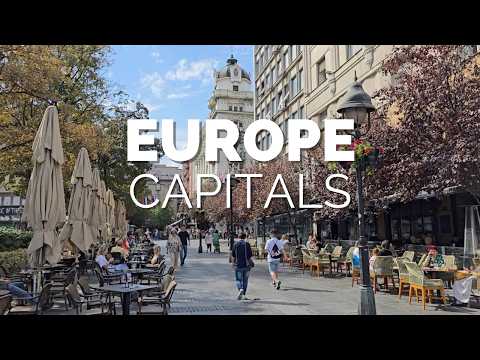
This blog post highlights ten underrated European capitals that offer rich history, unique culture, and vibrant experiences without the crowds of more famous cities. From Valletta's UNESCO heritage to Tallinn's tech scene, these cities provide a fresh perspective on European travel.
Europe's capital cities are renowned for their history, culture, and charm. While cities like Rome, London, and Paris attract millions of tourists, there are numerous lesser-known capitals that offer just as much allure without the overwhelming crowds. This post explores ten underrated European capitals that are rich in history and culture, making them perfect destinations for travelers seeking unique experiences.
Valletta is Malta's tiny capital city, recognized as the smallest capital in Europe. Despite its size, it is packed with character and excitement. The entire city is a UNESCO World Heritage site, boasting an impressive 320 national monuments within a compact area. Founded in 1566, Valletta has a rich military history, evident in its fortified buildings. Visitors are greeted by the warm glow of limestone structures that shimmer under the Mediterranean sun, while narrow alleys, old churches, and bustling cafes create a vibrant atmosphere.
Bern may be small and relatively low-key, but it feels like stepping into a medieval fairy tale. The city is clean, well-organized, and beautiful, exemplifying the Swiss way of life. With zigzagging streets, green squares, and a turquoise river, Bern's Old Town is a UNESCO World Heritage site featuring architectural wonders dating back to the 12th century. A stroll along the Aare River, paired with a traditional Swiss fondue beneath the Zytglogge Clock Tower, is highly recommended.
Belgrade, located at the confluence of the Sava and Danube rivers, has a gritty yet energetic vibe shaped by its tumultuous history. From Roman rule to the Ottoman Empire, the city has seen it all. Known for its vibrant street art, cozy taverns, and a nightlife scene that is hard to match, Belgrade's Old Town is a must-visit. Here, visitors can immerse themselves in the local culture, enjoying traditional food and music.
Helsinki stands out as a Scandinavian haven, characterized by its unique blend of sleek Art Nouveau architecture and rugged natural beauty. The Design District is a highlight, showcasing Finnish fashion, art, and crafts, along with a bustling local market where visitors can sample traditional reindeer meat and Finnish pastries. Surrounded by beautiful islands, Helsinki offers plenty of opportunities for exploration by ferry.
Sofia is often overlooked, yet it surprises visitors with its rich history and vibrant atmosphere. As one of the oldest cities in Europe, it features Roman ruins, Soviet-era architecture, and stunning Orthodox churches, with the Alexander Nevsky Cathedral as its centerpiece. The city is known for its green spaces and affordable accommodations, making it an attractive destination for budget-conscious travelers.
Riga's medieval history is a significant part of its charm, but its rich Art Nouveau architecture and vibrant café culture set it apart. As the largest city in the Baltics, Riga boasts a cosmopolitan atmosphere influenced by both European and Eastern cultures. The city's history of occupation and resistance has shaped its identity, making it a fascinating place to explore, especially in its protected Old Town.
Dublin is famous for its hospitality and legendary pub culture, largely thanks to Guinness beer and Irish whiskey. However, it is also home to one of the world's best universities, contributing to its literary reputation. The city's streets are alive with music, Georgian architecture, and friendly locals who are always willing to share insider tips. Dublin's vibrant atmosphere makes it one of Europe's friendliest cities.
Copenhagen embodies Scandinavian charm with its clean canals, royal palaces, and thriving dining scene. The city offers numerous attractions, including Tivoli Gardens, which inspired Hans Christian Andersen's fairy tales, and the colorful Nyhavn waterfront. Copenhagen's stylish and relaxed vibe, combined with its high quality of life, is evident in the smiles of the locals who cycle through the city.
Visiting Reykjavik feels like stepping into another world. This northern dreamscape serves as the gateway to Iceland's stunning glaciers, volcanoes, and geothermal springs. While the city itself is small, it offers a variety of cozy cafes, unusual art installations, and colorful houses. Visitors can enjoy the eclectic blend of Norse and modern culture, making it a unique destination.
Tallinn resembles a fairy tale village with its cobblestone streets and medieval buildings adorned with traditional red rooftops. The city beautifully preserves its history while embracing modern culture, featuring trendy bars and a burgeoning art scene. Tallinn's tech industry is thriving, earning it the nickname "Silicon Valley of Europe." This combination of old-world charm and modern innovation makes Tallinn a standout among Europe's underrated capitals.
In conclusion, these ten underrated capitals of Europe offer rich histories, unique cultures, and vibrant experiences that are often overshadowed by their more famous counterparts. For travelers seeking to explore the continent's hidden gems, these cities provide an opportunity to enjoy the charm of Europe without the hustle and bustle of larger tourist destinations.