This blog post explores four effective budgeting systems: Zero-Based Budgeting, the Envelope System, Pay Yourself First, and the 50/30/20 Method. Each system is designed to help individuals manage their finances better, save more, and achieve their financial goals based on personal preferences and income stability.
Budgeting is a crucial skill that helps individuals manage their finances effectively. Whether your goal is to save more, spend less, or pay off debt, finding the right budgeting system can make a significant difference. In this post, we will explore four popular budgeting systems, their benefits, and how to choose the one that fits your lifestyle and financial goals.
Before diving into specific budgeting systems, it's essential to understand your financial goals. Are you looking to save for a specific purpose, such as a vacation or a home? Or do you want to focus on paying off debt? Identifying your objectives will help you select the budgeting method that aligns with your needs.
Zero-Based Budgeting (ZBB) is a method where every dollar of income is allocated to specific expenses, savings, or debt repayment, leaving you with a balance of zero at the end of the budgeting period. This approach requires you to categorize all your expenses and assign each dollar to a category until there is nothing left.
Apps like "You Need a Budget" and "EveryDollar" can simplify the process by allowing you to enter your income and allocate funds to various categories.
The Envelope System is a traditional budgeting method where cash is divided into envelopes designated for specific spending categories. While this method can be done physically with cash, there are also digital alternatives available.
For instance, if your monthly income is $3,500, you might allocate $1,750 to needs (like rent and groceries), $1,050 to wants (like dining out), and $700 to savings and debt payments. Once the money in the wants envelope runs out, you know you cannot spend any more in that category for the month.
The Pay Yourself First method prioritizes savings before addressing other expenses. This approach ensures that you set aside money for savings goals, such as retirement or an emergency fund, before spending on discretionary items.
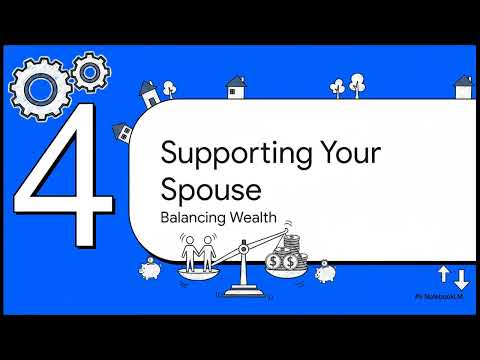
Apps like "Honeydew" can help you coordinate budgeting decisions with a partner, allowing for shared financial goals and tracking.
The 50/30/20 budgeting method divides your after-tax income into three categories: 50% for needs, 30% for wants, and 20% for savings and debt repayment. This approach provides a flexible framework for managing your finances without the need for detailed tracking of every dollar.
For a household income of $75,000 annually, the monthly budget would break down to approximately $2,250 for needs, $1,350 for wants, and $900 for savings and debt repayment. This method encourages individuals to evaluate their spending habits and make necessary adjustments.
Selecting the best budgeting system for you ultimately depends on your personal preferences and financial situation. Some individuals thrive on detailed spreadsheets, while others prefer a more visual or simplified approach. The key is to find a system that you enjoy using, as this will increase your chances of sticking with it.
In conclusion, whether you choose Zero-Based Budgeting, the Envelope System, Pay Yourself First, or the 50/30/20 Method, each system offers unique benefits and challenges. By understanding your financial goals and preferences, you can select the budgeting method that will help you achieve financial success.