
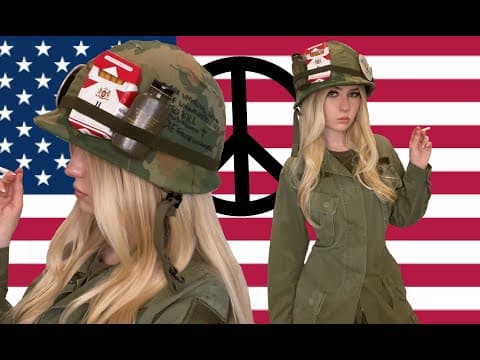
This blog post delves into the unique phenomenon of helmet graffiti during the Vietnam War, exploring its origins, significance, and the personal expressions of soldiers through their helmets. It highlights the cultural context of the 1960s, the psychological warfare tactics used, and the practical aspects of helmet modifications, providing a comprehensive overview of this fascinating aspect of military history.
The Vietnam War, a significant conflict in American history, was marked not only by its intense battles but also by the unique expressions of the soldiers involved. One of the most intriguing aspects of this war was the phenomenon of helmet graffiti. This blog post will explore the origins, significance, and personal expressions of soldiers through their helmets, shedding light on a lesser-known aspect of military history.
The 1960s were a tumultuous time in America, characterized by cultural upheaval and significant historical events. Hollywood and rock and roll were at their peaks, while the Cold War intensified with events like the Berlin Wall's construction and the Cuban Missile Crisis. Amidst this backdrop, American soldiers found themselves in the humid jungles of Vietnam, facing not only the physical challenges of war but also the psychological toll of a conflict that many did not support.
During the Vietnam War, approximately 2.2 million American men were drafted, many of whom were young, unmarried, and from lower-income backgrounds. The war was particularly challenging for these soldiers, as they often found themselves fighting in a conflict they did not believe in. This disillusionment led to a surge in artistic expression, particularly through helmet graffiti.
As a form of self-expression, soldiers began etching statements, quotes, and artwork onto their helmet covers. These helmets, often made of cloth, became canvases for a range of messages—from patriotic slogans to anti-war sentiments. Some soldiers even marked the months of their deployment, creating a personal record of their experiences.
While the Marines were not issued helmet bands, they utilized the Mitchell cover, which was designed for camouflage. Many Marines scavenged materials like tires and inner tubes to create makeshift helmet bands. These bands served multiple purposes: they helped secure the helmet cover, held personal items, and provided a means for soldiers to express their individuality.
Initially, helmet bands were used to aid in camouflage and hold foliage, similar to the nets used in World War II. Soldiers would attach items such as cigarettes, bug repellent, and field dressings to their helmets. However, the added weight and bulkiness of these items often proved inconvenient in combat situations, leading to a reevaluation of what should be carried.
One notable aspect of helmet art was the use of playing cards, particularly the Ace of Spades. American soldiers carried this card as a psychological warfare tactic, believing it would instill fear in the superstitious North Vietnamese. This practice highlighted the intersection of art and strategy in the Vietnam War, where even small items could carry significant meaning.
Contrary to popular belief, helmet art was not as widespread as Hollywood often portrays. While some soldiers embraced this form of expression, many did not decorate their helmets at all. The reality was that what a soldier carried on their helmet could mean the difference between life and death, influencing their visibility and safety in combat.
Some soldiers chose to inscribe poignant quotes on their helmets, reflecting their views on war and society. For example, one soldier wrote, "We, the unwilling, led by the unqualified to kill the unfortunate, die for the ungrateful." Another quote stated, "War is good business, invest your son!" These expressions reveal the deep frustrations and complexities faced by soldiers during the Vietnam War.
The phenomenon of helmet graffiti during the Vietnam War serves as a powerful reminder of the personal struggles and artistic expressions of soldiers. Through their helmets, these individuals found a way to voice their thoughts, fears, and experiences in a conflict that was often shrouded in controversy. As we reflect on this unique aspect of military history, we gain a deeper understanding of the human experience in war and the ways in which art can emerge from even the most challenging circumstances.



















