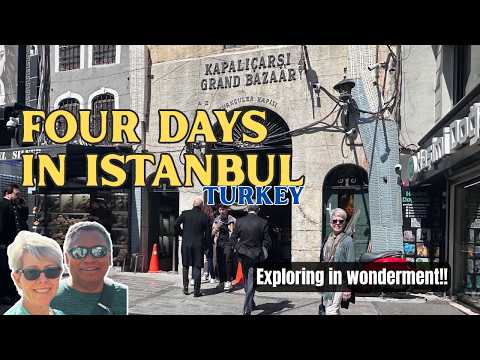
This travel guide details a four-day itinerary in Istanbul, covering key historical sites, cultural experiences, and local cuisine across both the European and Asian sides of the city. Highlights include the Hippodrome, Blue Mosque, Ayasofia, Topkapi Palace, Dolmabahce Palace, and vibrant neighborhoods like Kadikoy and Balat, along with the Grand Bazaar and Spice Bazaar.
Welcome to Istanbul, a city where continents collide and history comes alive. This travel guide details a four-day itinerary exploring both the European and Asian sides of this legendary city.
We begin our journey at the Hippodrome of Constantinople, once the bustling social hub of the Byzantine Empire. Built in the 3rd century AD, this grand oval arena could hold up to 100,000 spectators who gathered to watch thrilling chariot races and imperial ceremonies. Today, only fragments of the original structure remain, but you can still see the Obelisk of Theodosius, the Serpent Column, and the Walled Obelisk.
Just across from the Hippodrome is the majestic Blue Mosque, also known as the Sultan Ahmed Mosque. Commissioned by Sultan Ahmed I in the early 17th century, it features over 20,000 hand-painted blue tiles that create a heavenly ambiance. The mosque, with its six towering minarets, remains an active place of worship, blending spirituality and artistry.
Next, we visit Ayasofia, one of the most awe-inspiring buildings in the world. Originally built as a Christian basilica by Emperor Justinian in 537 AD, it held the title of the world's largest cathedral for nearly a thousand years. Over the centuries, Ayasofia transitioned from a church to a mosque, then to a museum, and now functions as a mosque once again. Inside, you can find shimmering Byzantine mosaics alongside Islamic calligraphy, showcasing a rare harmony of two great civilizations.
Hidden beneath the bustling streets of Sultanahmet lies the Basilica Cistern, commissioned by Emperor Justinian in the sixth century. This vast underground reservoir once stored over 80,000 cubic meters of water. Visitors can walk through a forest of 336 marble columns, many recycled from earlier Roman temples, creating a hauntingly beautiful atmosphere.
On day two, we start at Topkapi Palace, the political and administrative heart of the Ottoman Empire for nearly four centuries. Constructed shortly after the conquest of Constantinople in 1453, this sprawling palace complex housed generations of sultans. Visitors can explore the imperial gate, courtyards, and the sacred chamber of holy relics, which includes artifacts such as the Prophet Muhammad's cloak and sword.
Next, we head to Dolmabahce Palace, completed in 1856 under Sultan Abdul Mecid I. This palace reflects the opulence and modernization of the Ottoman Empire in the 19th century, featuring crystal chandeliers, gold-gilded ceilings, and Italian marble staircases. It was also the final residence of Mustafa Kemal Atatürk, the founder of modern Turkey.
After visiting the palaces, we cross the Bosphorus to Kadikoy, a vibrant local neighborhood on the Asian side. Here, we explore markets, hip cafes, and authentic Turkish street food. A must-try is the original Iskender kebab at Kebabchi Iskender, along with various local delicacies.
We then head to Chamlja Hill for panoramic views of the city. The hill offers stunning vistas stretching across two continents. Our day concludes at Chamlja Mosque, the largest mosque in Turkey, which combines modern aesthetics with traditional Ottoman architecture.
On day three, we take a ferry ride from Eminönü to Kadikoy, enjoying the scenic views of the Bosphorus. Once in Kadikoy, we explore the local markets and cafes, immersing ourselves in the vibrant atmosphere.
Next, we visit Uskudar and ascend Chamlja Hill for breathtaking views of Istanbul. The hill provides a perfect vantage point to appreciate the city's unique geography and architecture.
On our final day, we explore the Fenner and Balat neighborhoods. We visit the Kora Church, which has a rich history dating back to the 11th century. Unfortunately, it was closed to visitors on the day of our visit, so checking hours before going is advisable.
Next, we head to the Bulgarian St. Stephen's Church, a unique 19th-century Orthodox church made of prefabricated cast iron, symbolizing Bulgarian Orthodox Christian heritage.
No trip to Istanbul is complete without visiting the Grand Bazaar, one of the oldest and largest covered markets in the world. With over 4,000 shops, it can be overwhelming, but it's a great place to shop for souvenirs. Remember to negotiate prices, as it's expected.
Finally, we explore the Spice Bazaar, a fragrant wonderland of saffron, Turkish delight, and dried fruits. Built in 1664, it offers a smaller but equally enchanting shopping experience compared to the Grand Bazaar.
From ancient empires to vibrant modern life, Istanbul offers a travel experience unlike any other. Whether it's your first visit or your tenth, there's always more to discover in this incredible city. We hope this guide helps you plan your unforgettable journey through Istanbul.