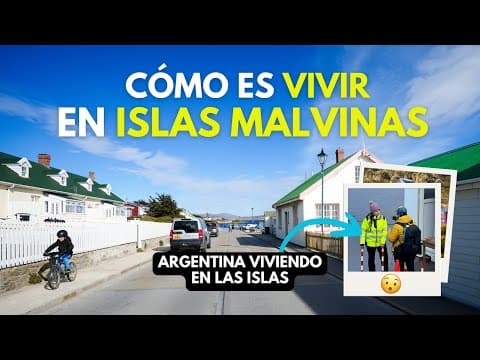
This blog post provides an insightful overview of life in the Falkland Islands as experienced by a visitor in 2024, highlighting the unique culture, history, and challenges of living in this remote British territory.
The Falkland Islands, a remote archipelago in the South Atlantic, have a rich history and a unique cultural identity. In this blog post, we will explore the experiences of a visitor who recently traveled to the islands, providing insights into daily life, the local community, and the historical significance of the region.
The journey began with a cruise expedition from Punta Arenas, Chile, arriving at the islands' capital, Puerto Argentino, also known as Stanley. This small town, home to approximately 2,500 residents, offers a glimpse into a distinctly British way of life, characterized by its architecture and lifestyle.
Upon arrival, the visitor noted the tranquil atmosphere of Stanley, especially on a Saturday morning when many businesses were closed. The town's architecture predominantly features wooden houses clad in metal, and the streets are lined with British-style public buildings, including post offices, police stations, and schools. The presence of British telephone booths and churches further emphasizes the islands' colonial heritage.
The visitor observed that Stanley is a quiet place, with a mix of local residents, including many Chileans and individuals from the Philippines and the Middle East. Despite the small population, the community is diverse, and the visitor noted that interactions with locals were generally positive, although some expressed a lack of sympathy towards Argentinians due to historical tensions.
The weather in the Falkland Islands is a significant factor in daily life. The visitor experienced cold temperatures and strong winds, typical of the region. Rain is frequent, and the climate can be harsh, which influences the lifestyle and activities available to residents and visitors alike.
The visitor's exploration included references to the Falklands War, a pivotal event in the islands' history. There are museums dedicated to the islands' history, including exhibits on the war, and monuments honoring those who lost their lives. The visitor noted that the memory of the conflict remains alive in the community, with annual commemorations and educational discussions in schools.
While time constraints limited the visitor's ability to explore extensively, there are various attractions for those who stay longer. Tours are available that focus on historical sites or natural wonders, such as penguin colonies and birdwatching opportunities. The cost of these excursions typically hovers around $100 per person.
Traveling to the Falkland Islands can be done by air or sea. Flights from Punta Arenas, Chile, are common, and there are occasional flights from Argentina, primarily for family members of veterans. Alternatively, visitors can arrive via cruise ships, which often include the Falklands as part of broader itineraries through Patagonia and Antarctica.
The visitor spoke with an Argentine resident who had moved to the islands with her family. She shared her experiences of adapting to life in Stanley, noting that while there are occasional cultural tensions, she has generally felt welcomed. The challenges of raising children and managing daily routines in a small community were also discussed, highlighting the balance between routine life and the unique environment of the islands.
The visit to the Falkland Islands provided a fascinating glimpse into a unique community shaped by its history and geography. The visitor expressed a desire to return and explore more of the islands, particularly the historical sites related to the Falklands War and to engage more deeply with the local culture. The Falkland Islands, with their rich history and diverse population, offer a compelling destination for those interested in exploring life in this remote British territory.