This blog post delves into the vibrant culture, history, and daily life in Serbia, a country often misunderstood by the media. From its strong ties to Russia and the ongoing Kosovo conflict to the warmth of its people and rich traditions, Serbia offers a unique blend of past and present that shapes its identity today.
Serbia, often labeled as Europe's most controversial country, is a land steeped in history, culture, and resilience. Nestled in the central Balkans, it serves as the epicenter of the former Yugoslavia. This blog post takes you on a journey through Serbia, particularly its capital, Belgrade, to uncover the true essence of this nation beyond the headlines.
Serbia's identity is deeply intertwined with its tumultuous past, marked by struggles for independence and a strong sense of patriotism. The country has strong ties to Russia, viewed as a brother nation due to shared culture, economy, history, and religion. This connection is evident in the sentiments of the Serbian people, who often express pride in their heritage and resilience.
One of the most significant issues in Serbia's recent history is the ongoing conflict with Kosovo. Graffiti in Belgrade captures the emotions surrounding this issue, with messages like "When the army returns to Kosovo" reflecting the deep-seated feelings of many Serbs. Kosovo declared independence in 2008, a move that Serbia does not recognize, leading to a complex and often painful relationship.
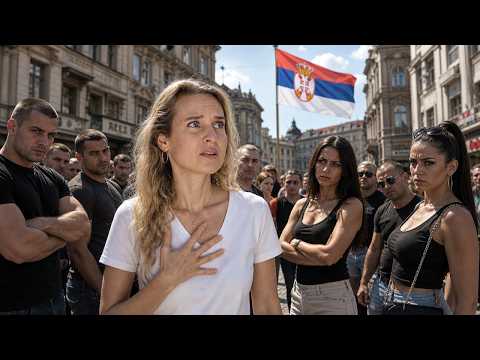
Despite the political tensions, the warmth and hospitality of the Serbian people shine through. Upon arriving in Belgrade, visitors are often struck by the kindness of the locals. Conversations with Serbs reveal a desire for connection and understanding, as they express frustration with how the media portrays their country.
As we explore Belgrade, we encounter a variety of locals, from strong men like Milan, who embody the physical prowess often associated with Serbia, to young girls who reflect the vibrant spirit of the city. The café and bakery culture in Serbia is rich, influenced by both Eastern and Western traditions, offering a delightful experience for visitors.
One of the must-visit sites in Belgrade is the Belgrade Fortress, a historic landmark that attracts over two million visitors each year. This fortress, overlooking the confluence of the Sava and Danube rivers, has served as a stronghold for various rulers throughout history, including the Romans and Ottomans. The surrounding Kalemegdan Park is a favorite spot for locals, providing a serene escape from the bustling city.
Another iconic site is the Church of Saint Sava, the second-largest Orthodox church in the world. This magnificent structure symbolizes Serbia's deep religiosity and is a testament to the country's cultural heritage. The stunning interior and grand dome make it a significant landmark for both locals and tourists.
Serbia is not just about its historical sites; it is also a country rich in culture and tradition. The streets of Belgrade are alive with music, art, and a lively atmosphere. From street musicians in Tasmajdan Park to the vibrant food scene in Skadarlija, the city offers a plethora of experiences that showcase the Serbian way of life.
Sports play a vital role in Serbian culture, with basketball and boxing being particularly popular. Many Serbian athletes have made their mark on the international stage, including NBA star Nikola Jokić. The spirit of competition and physical prowess is evident in the daily lives of many Serbs, who take pride in their athletic achievements.
Belgrade is a city of contrasts, where reminders of past conflicts coexist with modern developments. The Belgrade Waterfront project symbolizes the city's construction boom, transforming the riverbanks into vibrant residential and commercial spaces. However, the scars of history remain visible, particularly in buildings like the General Staff, which serve as memorials to the wars that have shaped Serbia.
Serbia's relationship with the European Union is complex. While many Serbs express a desire for EU membership, there is also a strong sentiment for maintaining independence and balancing relations with global powers like Russia and China. This duality reflects the ongoing struggle for identity and sovereignty in a rapidly changing world.
As our journey through Serbia comes to an end, we are left with a profound appreciation for the country's rich culture, history, and the resilience of its people. Serbia is a place where the spirit of survival and renewal endures, offering a unique perspective on life in the Balkans. Despite the challenges it faces, Serbia remains a welcoming and vibrant nation, inviting visitors to explore its depths and discover the truth behind the headlines.