
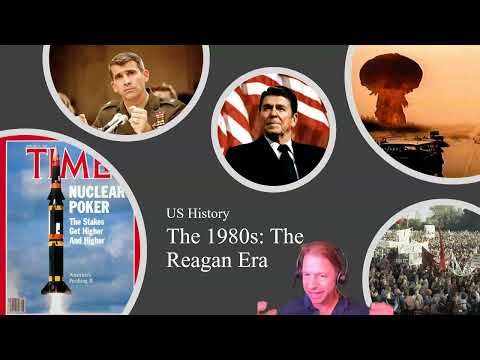
The 1980s, marked by the Reagan presidency, was a transformative decade in U.S. history characterized by significant political, economic, and cultural shifts. This blog post delves into the era's international relations, the rise of cable television, the economic challenges faced, and the pivotal events that shaped modern America.
The 1980s, often referred to as the Reagan Era, was a pivotal decade in United States history. This period is not only remembered for its political developments but also for significant cultural shifts, particularly in media and entertainment. In this blog post, we will explore the key events and trends of the 1980s, focusing on international relations, economic challenges, and the rise of new media.
One of the most notable developments of the 1980s was the emergence of cable television, which transformed the landscape of media and entertainment. This new medium played a crucial role in shaping youth identity, building on the rebellious spirit that began in the 1960s with rock and roll. MTV, launched in 1981, became a cultural phenomenon, channeling youth rebellion and identity through music videos and pop culture.
The 1980s were a response to the perceived malaise of the 1970s, a decade marked by economic downturns and political scandals. The election of Ronald Reagan in 1980 symbolized a shift in American sentiment. Reagan's campaign slogan, "It's morning in America," resonated with a populace eager for renewal after years of distrust in government, exacerbated by events such as the Watergate scandal and the Vietnam War.
The Watergate scandal, which led to President Richard Nixon's resignation in 1974, left a lasting impact on American politics. The scandal revealed deep-seated issues of trust and transparency in government. Following Nixon's resignation, Gerald Ford became the first unelected president in U.S. history, further complicating the political landscape.
The 1970s were characterized by economic struggles, including the OPEC oil embargo, which resulted in fuel shortages and long lines at gas stations. The economic downturn contributed to a sense of frustration among Americans, setting the stage for Reagan's election.
Jimmy Carter's presidency (1977-1981) aimed to restore trust in government and improve international relations. His administration focused on détente, a period of eased tensions with the Soviet Union, marked by significant agreements such as the Strategic Arms Limitation Talks (SALT). However, the Soviet invasion of Afghanistan in 1979 reignited Cold War tensions, complicating Carter's efforts.
The Iranian Revolution in 1979 led to a hostage crisis that further tarnished Carter's presidency. The U.S. refusal to return the Shah of Iran, who was receiving medical treatment in the U.S., resulted in the capture of American diplomats and citizens. Carter's failed rescue attempt, Operation Desert One, highlighted the challenges of his administration and contributed to his electoral defeat.
Ronald Reagan's presidency marked a significant shift in U.S. policy and ideology. His administration focused on revitalizing the economy through tax cuts and increased defense spending, a strategy known as Reaganomics. This approach laid the groundwork for modern conservative policies that continue to influence American politics today.
One of the most controversial events of Reagan's presidency was the Iran-Contra affair, which involved secret arms sales to Iran and the diversion of funds to support Nicaraguan rebels known as the Contras. This scandal raised questions about executive power and accountability, echoing the political controversies of the previous decade.
The 1980s also saw a rise in cultural anxiety, particularly regarding nuclear war. The deployment of intermediate-range nuclear missiles in Europe sparked widespread protests, and the made-for-television movie "The Day After" captured the public's fear of nuclear conflict, becoming one of the most-watched films of its time.
The 1980s were a transformative decade in American history, marked by significant political, economic, and cultural changes. The Reagan Era not only reshaped U.S. domestic policies but also influenced international relations and the media landscape. As we reflect on this period, it is essential to recognize its lasting impact on contemporary America and the ongoing debates surrounding the legacy of the 1980s.



















