
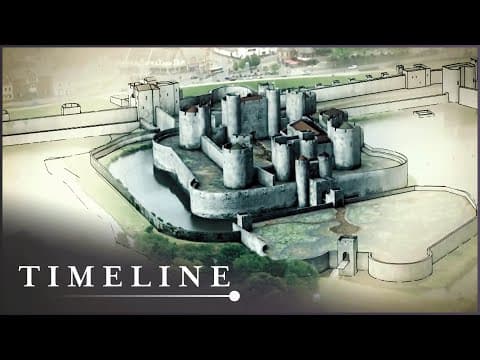
This blog post delves into the history, techniques, and significance of medieval castle construction, exploring how these monumental structures were built, the people behind them, and their lasting impact on society.
Castles, the citadels of world heritage, attract millions of visitors across Europe, drawn by their astonishing scale and the sense of a lost world filled with heroism and chivalry. However, these magnificent structures are more than mere monuments; they are keys to understanding a crucial period in the growth of our civilization. This post explores how castles were built, the evolution of their construction techniques, and their enduring grip on our imagination.
In this exploration, we will meet the builders, laborers, and masons who undertook the hard work of constructing these medieval mega structures. We will also look at the designers who envisioned these castles, the engineers who made them a reality, and the kings and barons who commissioned them. The history of castles is intertwined with the broader narrative of the Middle Ages, including the wars of France and England, which shaped their design and purpose.
Building on a massive scale, especially without modern machines and computing power, is a remarkable feat. Major construction projects require a combination of ingenuity, craft, organization, and hard labor. The same principles applied a thousand years ago as they do today: determination, skill, planning, and substantial financial resources were essential.
The earliest castles, primarily built from earth and timber, began to take shape in the 11th century. A typical design featured a motte, a large mound of soil, topped with a wooden tower, surrounded by a bailey—a defensive enclosure protected by a ditch and rampart. Most early castles were made of wood, which has since decayed, leaving behind few remnants.
One of the first timber castles in Britain, known as Hayne Domen, was built in 1070 by Roger, Earl of Shrewsbury. This castle, strategically located, exemplified the sophistication of early castle design, featuring timber defenses and significant buildings that would have appeared impressive in their heyday.
The Norman conquest of England in 1066 marked a significant turning point in castle construction. The Normans introduced the concept of the stone keep, a robust defensive structure at the heart of the castle. This innovation required skilled masons and craftsmen, as masonry was not a prevalent skill in England at the time. Rochester Castle in Kent is one of the earliest examples of a stone keep, showcasing the grandeur and authority of its builders.
Castles served dual purposes: they were both military strongholds and residences for nobility. For instance, Dover Castle, built for King Henry II, combined defensive features with luxurious living quarters. The challenge lay in balancing the need for security with the desire for comfort and elegance. Castles like Château Gaillard, built by Richard the Lionheart, exemplified this blend of beauty and strength, designed to withstand attacks while also serving as a royal residence.
The construction of castles was a massive undertaking that required a skilled workforce. Master masons played a crucial role, designing the buildings and overseeing the work of stone cutters and laborers. The logistics of transporting materials, often over long distances and through difficult terrain, added to the complexity of castle building.
As the Normans expanded into Wales, they faced fierce resistance from local leaders. Castles became central to the power struggle, with both sides constructing fortifications to assert control. The Welsh, under leaders like Llewelyn ap Gruffudd, built their own castles to counter Norman advances, demonstrating the strategic importance of these structures in medieval warfare.
In the late 13th century, King Edward I of England initiated an ambitious castle-building program in Wales, known as the "Ring of Iron." This project aimed to establish English dominance over the region, with castles like Caernarfon and Harlech serving as symbols of power. The construction of these castles involved meticulous planning and significant financial investment, often straining the royal treasury.
The castles built during the medieval period have left a lasting legacy, not only as architectural marvels but also as symbols of feudal power and authority. They reflect the complexities of medieval society, where the grandeur of these structures often belied the harsh realities of life within their walls.
At the heart of castle construction were the laborers and craftsmen whose skills and efforts shaped these monumental structures. Their marks can still be seen today, reminding us of the human effort behind the stone walls. Castles like Caernarfon continue to draw visitors, serving as a testament to the enduring fascination with medieval history and architecture.
The story of medieval castles is one of innovation, conflict, and human endeavor. These structures not only served as fortifications but also as symbols of power and prestige. Understanding the art and science of castle construction provides insight into a pivotal era in history, revealing the intricate relationship between architecture, society, and the human spirit.



















