Rio de Janeiro's favelas, informal communities born from historical neglect and migration, showcase a blend of creativity and hardship. While drug gangs pose significant challenges, the residents demonstrate remarkable resilience through community initiatives and artistic expression, highlighting the duality of life in these neighborhoods.
Rio de Janeiro, a city known for its stunning landscapes and vibrant culture, is also home to a stark contrast in living conditions. By examining the favelas, or informal communities, we uncover a narrative of resilience, creativity, and struggle against neglect and violence.
When viewing Rio de Janeiro on a Google map in 3D mode, the city reveals a clear division between the affluent and the impoverished. The residents of the well-planned areas are referred to as the "people of the asphalt," while those living in the favelas are known as the "people of the hill." Despite their close proximity, these two groups lead vastly different lives.
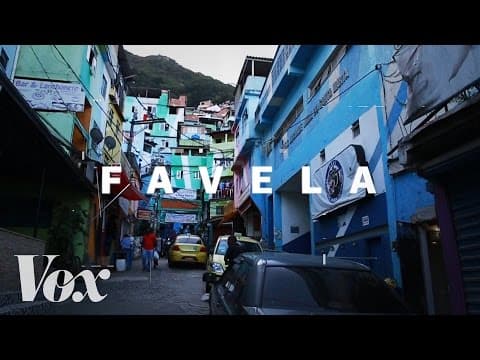
Favelas are informal communities that have developed without government oversight, zoning laws, or public services. They emerged primarily due to two historical factors: the legacy of slavery and rural-to-urban migration. Brazil was a major destination for enslaved Africans, and after slavery was abolished in 1888, many freed individuals built their own communities, often in the hills surrounding the city. In recent decades, rural Brazilians have migrated to Rio in search of work, further contributing to the growth of these neighborhoods. Today, approximately 25% of Rio's population resides in favelas.
Rocinha, the largest favela in Brazil, exemplifies the self-sufficiency of these communities. It operates as a mini-city, with residents creating their own solutions for basic needs like electricity and water. The absence of formal governance has led to the establishment of community associations that coordinate local projects. This organic development fosters a unique and creative environment, contrasting sharply with traditional urban planning.
In Vidigal, another favela near Rocinha, residents like Paulo have transformed neglected spaces into thriving gardens. Paulo's garden, once a dumping ground, now produces fruit and serves as a testament to the community's resourcefulness. Similarly, in Maré, local artists have established art centers to empower youth and promote cultural expression. These initiatives highlight the creativity and determination of favela residents to improve their surroundings despite systemic neglect.
In Providencia, a favela close to the port zone, photographer Mauricio uses his art to document life in the favelas. His work serves as a powerful tool against corruption and violence, providing transparency and raising awareness about the challenges faced by his community. Mauricio's commitment to capturing both the beauty and struggles of favela life underscores the resilience of its residents.
However, the narrative of the favelas is not without its darker elements. Areas like Complexo do Alemão are heavily influenced by drug trafficking gangs, such as the Red Command. This gang, which began as a political movement, has evolved into a powerful criminal organization, exacerbating violence and instability in the region. The informal nature of favelas allows for both vibrant community life and the potential for dysfunction and crime.
In 2008, the city of Rio initiated a controversial process known as the "pacification of the favelas," deploying special police forces to reclaim control from gangs. While some favelas, like Santa Marta, experienced initial success, larger communities like Alemão continue to struggle with gang influence. The challenges of police violence and corruption complicate these efforts, raising concerns about the effectiveness of such interventions.
International media often focus on the conflict between gangs and police, overshadowing the rich and diverse experiences of favela residents. While gang violence is a significant issue, it represents only a fraction of life in these communities. The true story lies in the resilience and creativity of the thousands of individuals who thrive despite systemic neglect, showcasing a vibrant culture that persists against the odds.
The favelas of Rio de Janeiro are complex environments shaped by history, resilience, and creativity. While they face significant challenges, including violence and neglect, the spirit of the people living in these communities shines through. Their ability to create beauty and foster community in the face of adversity is a powerful testament to the human spirit, reminding us that even in the most difficult circumstances, hope and creativity can flourish.