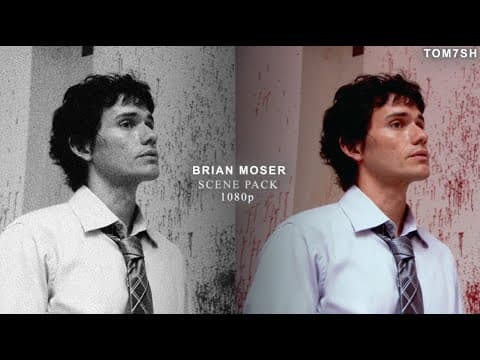
This blog post delves into the intricate themes of identity, morality, and personal connections as portrayed in Brian Moser's narrative, highlighting his interactions, struggles, and the philosophical questions surrounding his existence as both a killer and a hero.
In the intricate world of Brian Moser, a character who embodies both darkness and light, we find a narrative rich with themes of identity, morality, and the human experience. This blog post aims to unpack the layers of Moser's journey, his relationships, and the philosophical dilemmas he faces.
The story begins with a reflection on resilience and attitude. Moser's journey is marked by a sense of survival, as he states, "half the battle is attitude and you have a great one." This sentiment sets the tone for his character, emphasizing the importance of perspective in overcoming life's challenges.
Moser's interactions with others reveal much about his character. He engages in a light-hearted banter with Rudy, showcasing a camaraderie that hints at deeper connections. The mention of a brother, Dexter, introduces familial dynamics that play a crucial role in shaping Moser's identity. The dialogue suggests a complex relationship with his father, where Dexter seems to have garnered more attention, leaving Moser to navigate feelings of inadequacy.
Moser's reflection on his family reveals a longing for understanding and acceptance. He muses, "maybe Rudy was right you never can truly know anyone," highlighting the complexities of familial relationships and the secrets that often lie beneath the surface. This theme resonates throughout the narrative, as Moser grapples with his own identity in relation to those around him.
As Moser discusses his profession, he reveals a unique perspective on his work. The conversation about tools, particularly the electric chainsaw, serves as a metaphor for the duality of his existence. He acknowledges the darker aspects of his life while also expressing a desire to contribute positively to society, stating, "how often does someone get a chance to help catch a bad guy?" This duality is central to Moser's character, as he navigates the fine line between heroism and villainy.
A pivotal moment in the narrative occurs when Moser confronts the nature of his actions. He grapples with the idea of being a killer without reason or regret, suggesting a philosophical exploration of morality. The dialogue, "you can be a killer and a hero, it doesn't work that way," encapsulates the internal conflict that defines Moser's journey. This tension between his darker impulses and the desire for redemption creates a compelling narrative arc.
Brian Moser's story is one of complexity and depth, exploring the intricate interplay between identity, morality, and personal connections. As he navigates his relationships and confronts his own nature, Moser embodies the struggle of many individuals seeking to understand themselves in a world filled with contradictions. His journey serves as a poignant reminder of the challenges we all face in reconciling our past with our aspirations for the future.