
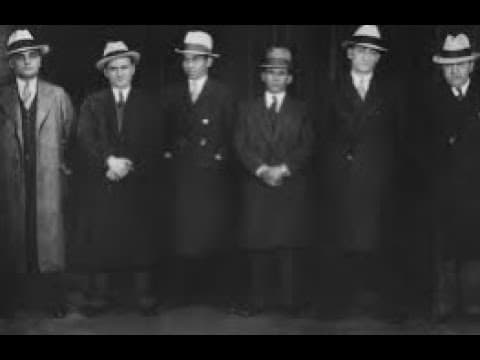
The 1920s, known as the Jazz Age, marked a significant cultural shift in America characterized by urbanization, consumerism, and changing social norms. This era saw the rise of new entertainment forms, evolving gender roles, and significant cultural tensions between modernism and traditional values, culminating in events like the Scopes trial and the rise of nativism.
The 1920s, often referred to as the Jazz Age, was a transformative decade in American history. This period marked the beginning of the modern era, characterized by a vibrant urban culture, mass consumerism, and significant social changes. In this blog post, we will delve into the key aspects of the 1920s, including its cultural innovations, shifts in gender roles, and the tensions that arose during this dynamic time.
The 1920s saw a significant migration from rural areas to cities, leading to the emergence of a distinct urban culture. This new culture was heavily influenced by mass consumption, where buying goods became a central aspect of life. This shift was in stark contrast to the strict religious and moral codes that dominated rural America, which emphasized frugality and the Protestant work ethic.
The Jazz Age was defined by the popularity of jazz music, a genre that originated from African American communities and gained widespread appeal during the Harlem Renaissance. The introduction of phonographs and radios allowed youth to enjoy jazz music, which encapsulated the energetic spirit of the time. Major broadcasting networks like NBC and CBS emerged, and Hollywood became a hub for the burgeoning movie industry, creating iconic movie stars who replaced political figures as the new heroes of American culture.
Prominent figures of the era included sports legends like Jim Thorpe and Babe Ruth, as well as aviator Charles Lindbergh, who became a national hero after completing the first solo transatlantic flight in 1927.
Despite the passage of the 19th Amendment, which granted women the right to vote, traditional gender roles remained largely unchanged. However, the decade also witnessed a revolution in social norms, particularly regarding women's independence. Flappers emerged as a symbol of this change, showcasing their desire for freedom through fashion choices such as short skirts and bobbed hair. They embraced new lifestyles that included smoking, driving, and dancing to jazz music, often in speakeasies where alcohol was illegally consumed.
The liberalization of divorce laws also reflected changing attitudes towards marriage, with one in six marriages ending in divorce by the end of the decade.
The literature of the 1920s was marked by a sense of alienation and disillusionment, often referred to as the Lost Generation. Writers like F. Scott Fitzgerald and Ernest Hemingway expressed their disdain for materialism and consumer culture through their works. This era also saw the rise of modernist art and architecture, with movements like Art Deco gaining popularity. Artists such as Edward Hopper captured the loneliness and isolation of urban life, reflecting the broader cultural tensions of the time.
The Harlem Renaissance was a cultural movement that celebrated African American culture and arts. Harlem became a vibrant community for African American artists, musicians, and writers. Notable figures included poet Langston Hughes and musicians like Duke Ellington and Louis Armstrong. The movement fostered a sense of black pride and self-help, with leaders like Marcus Garvey advocating for black nationalism and the back-to-Africa movement.
The 1920s were also marked by sharp divisions between different societal groups, including the young and old, urban and rural populations, and modernists versus fundamentalists. The rise of nativism reflected fears surrounding immigration and job competition, leading to the implementation of quota laws that severely restricted immigration from certain regions.
The 18th Amendment, which instituted Prohibition, aimed to outlaw the manufacture, sale, and transport of alcohol. However, this led to the rise of speakeasies and organized crime, with figures like Al Capone becoming infamous for their involvement in the illegal alcohol trade. Prohibition was eventually repealed in 1933, highlighting the challenges of enforcing such a law.
The Scopes Trial of 1925 exemplified the cultural clash between modernism and traditionalism. John Scopes was put on trial for teaching evolution in a Tennessee school, challenging the fundamentalist view of creationism. The trial attracted national attention and featured prominent lawyers, ultimately highlighting the ongoing conflict between science and religion in American society.
The 1920s were a decade of profound change, marked by cultural innovation, shifting social norms, and significant tensions. As America transitioned into the modern era, the legacy of the Jazz Age continued to influence future generations. Understanding this dynamic period provides valuable insights into the complexities of American society and the ongoing evolution of cultural values.



















