In this special episode of Coffee with the Pastor, Pastor Andy McDaniel and Pastor Steve Kirk delve into the rich history and profound meanings of three beloved Christmas carols: Silent Night, Joy to the World, and Oh Holy Night. They explore the origins, lyrics, and spiritual significance of these songs, highlighting their universal message of hope, peace, and salvation that resonates across generations and cultures.
Welcome to a special episode of Coffee with the Pastor, where Pastor Andy McDaniel and his dear friend Pastor Steve Kirk share an insightful discussion about the history and significance of some of the most cherished Christmas carols. This episode focuses on three iconic songs: Silent Night, Joy to the World, and Oh Holy Night. Through their conversation, they reveal the origins, lyrical depth, and spiritual messages embedded in these timeless hymns.
Pastor Andy McDaniel, serving at West Fagatville Baptist Church in North Carolina for over 25 years, welcomes listeners alongside Pastor Steve Kirk, who has been faithfully serving for 38 years. Both share a passion for music and ministry, making this episode a heartfelt exploration of music history intertwined with faith.
Silent Night was originally a poem written in 1816 by Joseph Mohr in Austria. Two years later, in 1818, Mohr collaborated with a church organist friend to set the poem to music. The song debuted on Christmas Eve at St. Nicholas Church, a fitting venue given the church's namesake and the season.
The song’s debut at St. Nicholas Church ties to the story of Saint Nicholas, a man known for his generosity and secret acts of kindness in his community. This historical connection enriches the carol’s message of giving and love.
The lyrics of Silent Night evoke a serene and holy atmosphere, emphasizing peace and hope. The shepherds in Luke 2, who were attentive and observant during their night watch, symbolize the stillness and readiness to receive God's message. The song’s refrain, "Sleep in heavenly peace," reflects the calm brought by the birth of the Prince of Peace.
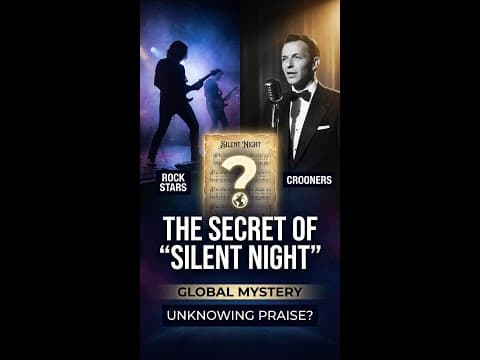
Since its humble beginnings with just a guitar and a few voices, Silent Night has transcended cultures and musical styles. It has been sung by choirs, pop stars, and even rock musicians, becoming a universal anthem of peace and hope. Notably, it was the song sung during the Christmas truce of World War I, symbolizing a moment of peace amidst conflict.
Written in 1719 by English minister Isaac Watts, Joy to the World was originally a poem inspired by Psalm 98, celebrating God's kingdom and salvation rather than the birth of Jesus. It was later set to music by American composer Lowell Mason in 1836 and published in 1839.
Though not initially intended as a Christmas carol, Joy to the World became associated with the Christmas season over time. It is now one of the most published and widely sung Christian hymns in North America.
The lyrics proclaim the arrival of the Lord and the joy that comes with salvation. The song emphasizes that joy is not dependent on circumstances but is rooted in the confident expectation of God's promises. It speaks of the end of sin and sorrow, highlighting the hope and renewal brought by Christ.
Pastor Steve shares a powerful illustration of hope through a scientific experiment with lab rats, demonstrating how hope can extend endurance and strength. This metaphor beautifully parallels the Christian message that Jesus brings hope and salvation, enabling believers to persevere through life's challenges.
Oh Holy Night began as a French poem titled "Minuette" written in 1843 by Placide Cappeau, a wine seller and poet with no formal religious background. The poem was set to music by composer Adolphe Adam in 1847 and first performed at a midnight mass.
In 1855, John Sullivan Dwight, a pastor and music critic, translated the song into English, titling it Oh Holy Night. The song gained popularity, especially during the American Civil War, due to its themes of freedom, brotherhood, and hope.
Known for its demanding vocal range, Oh Holy Night is both celebrated and challenging to perform. Legend holds that it was the first piece of music broadcast over the radio on Christmas Eve in 1906, underscoring its historical significance.
The lyrics reflect the holiness of the night of Jesus' birth and the profound impact of His arrival on a weary world. Phrases like "a thrill of hope" capture the emotional and spiritual awakening that the birth of Christ brings. The song emphasizes redemption, love, and the transformative power of faith.
Throughout their discussion, Pastor Andy and Pastor Steve highlight how these carols are more than just seasonal songs; they are profound declarations of faith, hope, and love. They remind listeners that the Christmas season is a time to reflect on the greatest gift ever given—the birth of Jesus Christ.
They also emphasize the importance of embodying the messages of these songs in daily life, encouraging believers to be living examples of Christ's love and peace.
Pastor Steve shares about the activities at Green Springs Baptist Church, including a candlelight service and children's musical, inviting the community to join in celebrating the light of Christ.
This episode of Coffee with the Pastor offers a rich exploration of three beloved Christmas carols, revealing their historical roots and enduring spiritual messages. Whether sung in churches, homes, or public squares, these songs continue to unite people across the world in celebration of peace, joy, and salvation.
As Pastor Andy closes, he encourages everyone to revisit these songs with fresh ears and hearts, allowing their timeless truths to inspire and transform lives during this beautiful season.
Coffee with the Pastor is a weekly podcast hosted by Pastor Andy McDaniel, dedicated to sharing faith, music, and meaningful conversations. Join them each Monday for more inspiring discussions.