The Ryugyong Hotel in Pyongyang, North Korea, stands as a symbol of ambition and mystery. Despite its towering presence since 1987, it remains unfinished and empty. This blog post delves into the history, architecture, and future prospects of this iconic structure, exploring the challenges of foreign investment and the potential for its eventual opening.
The Ryugyong Hotel, an imposing structure in the heart of Pyongyang, has captivated the imagination of many due to its unfinished state and the mystery surrounding it. This blog post takes you inside this architectural marvel, exploring its history, design, and the challenges it faces in opening its doors to the world.
In a rare turn of events, Simon Cockerell, General Manager of Koryo Tours, managed to gain access to the Ryugyong Hotel, becoming one of only two westerners to step inside. His visit was facilitated by a contact who had connections with the construction company. After navigating a series of phone calls and waiting, Simon was able to explore the lower floors and ascend to the observation deck on the 99th floor, offering a breathtaking view of Pyongyang.
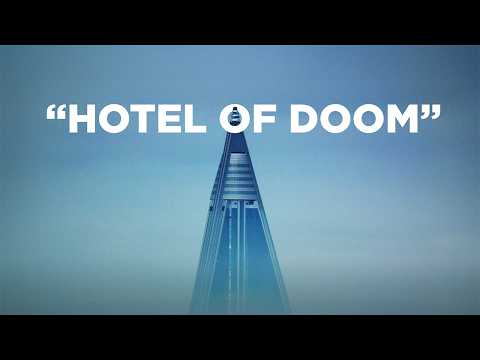
The Ryugyong Hotel has loomed over Pyongyang since construction began in 1987. Standing at 330 meters tall, it was intended to be the tallest hotel in the world, designed to compete with the Stamford Hotel in Singapore. However, it has never welcomed a single guest. The building's exterior features a massive LED screen that displays propaganda, yet the interior remains a mystery, untouched and unfinished.
The design of the Ryugyong Hotel is striking, characterized by its unique shape and the use of reinforced concrete. Unlike most skyscrapers that utilize steel for its strength-to-weight ratio, the Ryugyong Hotel was constructed entirely from concrete. This choice reflects North Korea's construction practices, heavily influenced by technology transfers from communist states in Europe. The building's wide base and tapering design were necessary to support its weight and create a visually imposing structure.
The construction of the Ryugyong Hotel came to a halt in the early 1990s due to the dissolution of the Soviet Union and the subsequent economic hardships faced by North Korea, known as the 'Arduous March.' Although the exterior was completed in 2008, plans for a grand opening in 2013 never materialized. The hotel remains a symbol of North Korea's ambitions and the challenges it faces in realizing them.
Rumors have circulated about the potential for the Ryugyong Hotel to become a casino, contingent on foreign investment. However, the political climate and economic conditions in North Korea pose significant barriers to such developments. The country has faced severe restrictions on foreign investment, and the demand for a large-scale casino remains questionable given the limited number of tourists and the internal gambling restrictions.
As of 2023, North Korea continues to grapple with harsh living conditions exacerbated by the closure of its borders since 2020. While there are discussions about the future of the Ryugyong Hotel, including the possibility of it becoming a tourist destination, the reality remains uncertain. The recent opening of the Wonsan-Kalma holiday resort raises questions about the target audience and the future of tourism in North Korea.
The Ryugyong Hotel stands as a testament to North Korea's architectural ambitions and the complexities of its political landscape. While it remains an unfinished monument, the potential for its future use continues to spark intrigue. As the world watches, the fate of this iconic skyscraper remains uncertain, embodying the mysteries of a nation that is often closed off from the outside world. The journey inside the Ryugyong Hotel has shed some light on its enigmatic presence, but much about its future remains to be seen.