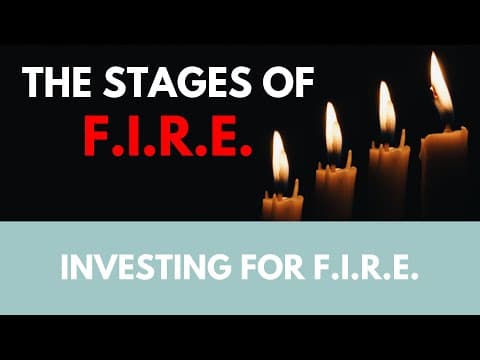
This blog post delves into the five distinct stages of the Financial Independence, Retire Early (F.I.R.E.) movement: Regular Fire, Lean Fire, Fat Fire, Barista Fire, and Coast Fire. Each stage offers unique approaches and considerations for individuals seeking financial freedom, emphasizing that there is no one-size-fits-all path to achieving financial independence. The post encourages readers to find the stage that aligns with their personal goals and lifestyle preferences.
My name is Jake, and welcome to the channel. In today's discussion, we will explore the different stages of Financial Independence and Retire Early (F.I.R.E.). Seven years ago, I found myself in a career that felt unsustainable due to its stress. In 2018, I faced a pivotal decision: should I buy a fancy car or invest that money to potentially retire a year or two earlier? This moment sparked my journey into the F.I.R.E. movement.
Initially, I believed there was only one path to financial independence: work tirelessly until retirement, then enjoy a stress-free life. However, I soon realized that everyone's perception of financial independence and early retirement is unique. There are various approaches and stages to consider, and it's essential to understand that F.I.R.E. is not a black-and-white concept.
Many people enter this journey thinking that the only goal is to reach "Fat Fire," which often leads to years of grinding and penny-pinching. However, I learned that flexibility is crucial in planning for financial independence. If you've been pursuing financial independence for a while and feel uncertain about your path, this post will outline the different stages of F.I.R.E. and help you find the right fit for your situation.
Regular Fire is the most straightforward approach to financial independence. For example, if your annual expenses are $75,000, you would aim to cover that amount while also allowing for discretionary spending, such as travel and dining out.
Who Should Consider Regular Fire?
Lean Fire is a more minimalist approach, where your investments cover only your essential expenses, without any buffer for discretionary spending. This stage is ideal for those who prefer a simpler lifestyle, often living in lower-cost areas and finding joy in non-material experiences.
Who Should Consider Lean Fire?
Fat Fire is often the most appealing stage, characterized by a higher spending threshold. If your annual expenses are $75,000, Fat Fire might involve a buffer that allows for a more luxurious lifestyle, such as frequent travel and high-end purchases.
Who Should Consider Fat Fire?
Barista Fire is a hybrid approach where you have some investments covering your expenses, but you also take on part-time work to fill any income gaps. This stage allows for flexibility and the pursuit of passions outside of a traditional career.
Who Should Consider Barista Fire?
Coast Fire is about putting in the hard work early in your career, allowing your investments to grow over time without needing to contribute significantly later on. This stage emphasizes the power of compounding.
Who Should Consider Coast Fire?
As you navigate through these stages, it's crucial to remain adaptable. Life circumstances can change unexpectedly, and your financial goals may need to shift accordingly. When I first started my F.I.R.E. journey, I had no idea how my life would evolve, including the challenges of parenting and health.
The key takeaway is to educate yourself about the options available, set realistic goals, and work towards them while being flexible. It's perfectly acceptable to change your course as your understanding and circumstances evolve.
Thank you for joining me today, and I hope this exploration of the stages of F.I.R.E. helps you find your path to financial independence and early retirement.