The Flaming Mountain in Xinjiang, China, is renowned for its extreme heat, reaching ground temperatures of up to 70°C. This unique climate, combined with the nearby Grape Valley, creates a fascinating contrast where millions of kilograms of grapes are cultivated and dried using the region's hot, dry winds.
The areas around the latitude of 42° North are typically characterized by a cool and pleasant climate. However, one notable exception to this norm is the Flaming Mountain, located in the Xinjiang Uygur Autonomous Region of China. This mountain is famous not for its beauty, but for its extreme heat, making it a unique geographical feature worth exploring.
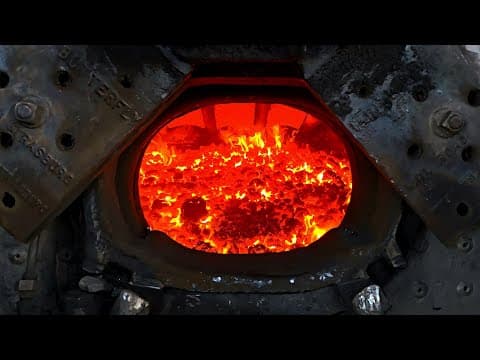
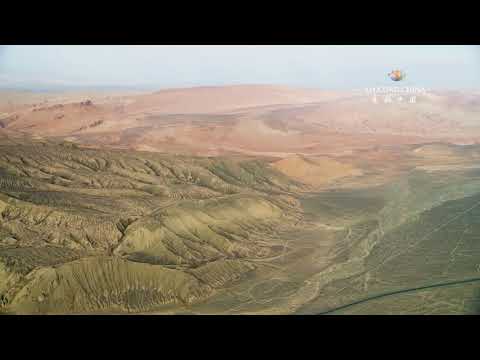
The Flaming Mountain is not literally on fire; rather, it is a barren, red landscape with a blackish tint. During the summer months, ground temperatures can soar to an astonishing 70 degrees Celsius. Visitors often find themselves deceived by their senses, perceiving flames due to the mountain's intense heat and the surrounding terrain.
The Flaming Mountain is situated at the lowest point of the Turpan Basin, which is also the lowest point in the Chinese mainland. The height difference between the Flaming Mountain and the surrounding mountains exceeds 5,000 meters. This significant elevation creates a natural barrier that traps hot air within the basin, preventing it from dispersing. Consequently, the Flaming Mountain has earned its reputation as the hottest place on its latitude.
In stark contrast to the Flaming Mountain's arid conditions, the nearby Grape Valley thrives with life. This canyon, although only 8 kilometers long from north to south, boasts an impressive annual grape production of over 10 million kilograms. Almost every family in the area participates in grape cultivation, making it a vital part of the local economy and culture.
After the grapes are harvested, they are sent to specially designed shade houses for drying. These shade houses are strategically built on the slopes of barren mountains, high enough to take full advantage of the hot, dry winds that sweep through the Turpan Basin. The design of these structures includes numerous holes in the walls, which facilitate ventilation while also protecting the grapes from direct sunlight.
The drying process is efficient, taking only 40 days for fresh grapes to transform into dried fruit. This rapid drying is essential for preserving the quality of the grapes and ensuring they are ready for market.
The Flaming Mountain and Grape Valley present a fascinating study of extremes in climate and culture. While the Flaming Mountain stands as a testament to nature's harshness, the Grape Valley showcases the resilience and ingenuity of the local people who have adapted to their environment. Together, they create a unique landscape that draws visitors and researchers alike, eager to witness the remarkable interplay between heat and agriculture in this extraordinary region of Xinjiang.