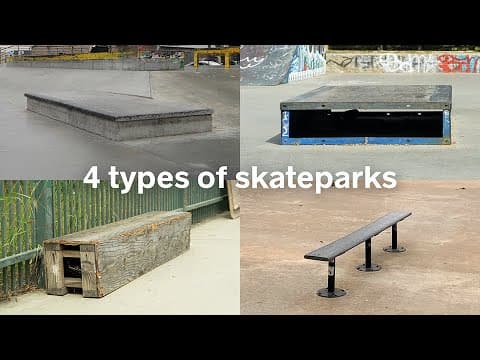
This article explores the four main types of skateparks—concrete, wood, and plastic—highlighting their unique features and the skateboarding experience they offer. It also touches on the challenges and thrills associated with each type, providing insights for skaters of all levels.
Skateboarding is a dynamic sport that thrives on the environment in which it is practiced. Skateparks come in various forms, each offering a unique experience to skaters. In this article, we delve into the four primary types of skateparks, focusing on their construction materials and the distinct characteristics they bring to the skateboarding community.
Concrete skateparks are perhaps the most common and iconic type. Known for their durability and smooth surfaces, these parks provide a reliable and consistent skating experience. Concrete allows for intricate designs, including bowls, ramps, and rails, which cater to a wide range of skateboarding styles.
However, concrete can be unforgiving. Falls on this hard surface often result in scrapes and bruises, as highlighted by the occasional "Ouch" moments skaters experience. Despite this, many skaters prefer concrete for its stability and the ability to perform technical tricks.
Wooden skateparks offer a different vibe. They are typically constructed with plywood and other wood materials, creating a surface that is slightly more forgiving than concrete. Wood parks often feature ramps and transitions that have a unique feel under the skateboard wheels.
Skaters sometimes find wooden parks challenging due to the surface's responsiveness and the maintenance required to keep the wood in good condition. The tactile feedback from wood can enhance the skating experience but may also lead to moments of difficulty, as some skaters express frustration when attempting certain tricks.
Plastic skateparks are less common but provide an innovative approach to skatepark design. These parks use molded plastic components to create modular and often portable skate features. Plastic surfaces can be smoother and sometimes more forgiving than concrete or wood.
The modular nature of plastic skateparks allows for customization and easy assembly, making them suitable for temporary setups or areas where permanent construction is not feasible. However, the plastic surface can behave differently under various weather conditions, affecting grip and performance.
Throughout the exploration of these skatepark types, skaters encounter a range of emotions—from the thrill of landing a trick to the frustration of falls and failed attempts. These experiences are part of the skateboarding journey, contributing to personal growth and resilience.
Interestingly, the creator of this content also shares a personal project unrelated to skateboarding: a children's book box set focused on feelings and emotions. Although designed for children, the books aim to help adults, especially those over 30, navigate emotional maturity. This connection underscores the universal nature of challenges, whether in skateboarding or emotional development.
Understanding the different types of skateparks—concrete, wood, and plastic—helps skaters choose environments that best suit their style and preferences. Each type offers unique advantages and challenges, enriching the skateboarding experience. Whether you are a beginner or an experienced skater, exploring these diverse skateparks can enhance your skills and enjoyment of the sport.