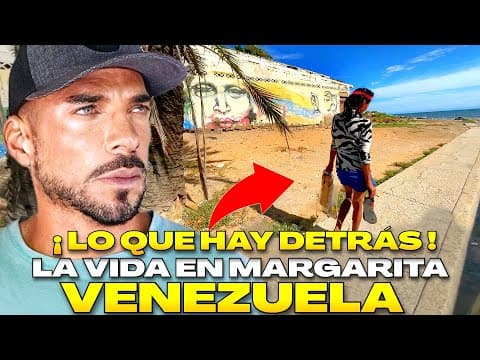
This blog post explores the daily life and challenges faced by the residents of Isla de Margarita, particularly in the fishing community of Los Cocos. It highlights the scarcity of fresh fish, the impact of tourism, and the resilience of locals like Yoli, who navigate their realities amidst economic difficulties.
Isla de Margarita, a beautiful island in Venezuela, is often celebrated for its stunning beaches and vibrant culture. However, beneath the surface lies a different reality, particularly for the local fishing communities. This blog post takes you through a journey in Los Cocos, a popular area where many fishermen reside, revealing the challenges they face in their daily lives.
My exploration began in the heart of Los Cocos, a bustling area known for its fishing activities. Here, the fishermen repair their boats, known as peñeros, which are essential for their livelihood. The market nearby, often referred to as the Mercado de Los Cocos, is one of the few places where locals can find fresh fish. However, the availability of fish has drastically declined over the years, turning what was once a staple into a luxury item.
Despite being surrounded by water, finding fresh fish in Isla de Margarita has become increasingly difficult. Supermarkets that once stocked a variety of seafood now offer little to no fish, leaving locals to rely on the small market at Los Cocos. The irony of living on an island with over 4,000 kilometers of coastline yet struggling to find fish is not lost on the residents. The market operates from 7 AM to 1 or 2 PM, but the supply is inconsistent, and many leave empty-handed.
As I walked through the market, I encountered Yoli, a local woman who has spent years working in the area. She shared her experiences of caring for parked cars and the challenges of making ends meet. Yoli's story is a testament to the resilience of the people living in this community. Despite the hardships, she remains hopeful and continues to fight for a better life.
Yoli explained that while she would love to eat fish daily, the high prices and scarcity make it a rare treat. The cost of fish in local restaurants can be surprisingly high, often equivalent to prices found in other parts of the world. This situation reflects a broader economic issue where local fishermen find it more profitable to sell their catch abroad rather than in their own communities.
While the fishing community faces significant challenges, Isla de Margarita is also home to breathtaking landscapes and beautiful beaches. The Paseo Guaraguao, a coastal walkway, offers stunning views, although the waters are often polluted. Once a dangerous area, it has transformed into a place where locals and tourists alike can enjoy the scenery.
As I continued my journey, I noticed the stark contrast between the fishing villages and the luxurious condominiums nearby. This disparity highlights the economic divide present in Venezuela, where some enjoy a life of comfort while others struggle to survive. The reality of life in Isla de Margarita is a microcosm of the broader challenges faced by many Venezuelans.
My visit to Isla de Margarita was an eye-opening experience that revealed the hidden struggles of its residents. The stories of individuals like Yoli remind us of the resilience and strength of the human spirit in the face of adversity. As the island slowly begins to recover, it is essential to recognize and support the local communities that contribute to its unique culture and beauty.
In sharing these stories, I hope to shed light on the often-overlooked aspects of life in Venezuela, encouraging a deeper understanding of its people and their experiences. Isla de Margarita, with its stunning landscapes and rich history, is a place that deserves to be celebrated, not just for its beauty but for the strength of its people.