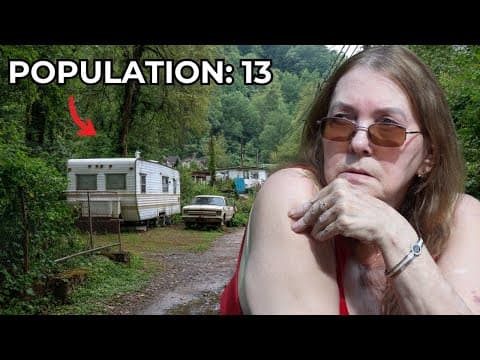
This blog post delves into the lives of residents in one of Appalachia's most remote areas, highlighting their struggles with poverty, drug addiction, and the lack of clean water. It also explores their resourcefulness, community spirit, and the cultural identity of the people living in these isolated hollers.
In the heart of Appalachia lies a region often overlooked by the outside world, where the struggles of daily life are compounded by poverty, addiction, and environmental issues. This blog post takes you inside one of the most remote hollers in Appalachia, specifically Martin County, Kentucky, where the poverty rate is a staggering 48% and the water is undrinkable. Through the voices of the residents, we uncover their stories, challenges, and the unique culture that defines their lives.
Residents describe their lives in the hollers as laid back, yet filled with stress. Many live in buses and campers, relying on each other for support. The sense of community is strong, with neighbors often helping one another. However, the isolation also brings challenges, particularly in finding work. Many residents must travel over 45 minutes just to reach the nearest highway for job opportunities, which are scarce.
One of the most pressing issues faced by the community is the water crisis. Residents report that the tap water is brown and unsafe to drink, leading to serious health concerns, including cancer. Despite this, many have no choice but to use it, as clean water is not readily available. This crisis has persisted for years, highlighting the neglect faced by these remote areas.
Drug addiction, particularly methamphetamine use, is rampant in the area. Residents express that the drug problem affects everyone, including older adults. The community struggles with the consequences of addiction, which has led to increased violence and instability. Many residents attribute the rise in drug use to the lack of job opportunities and the despair that comes with poverty.
In the absence of stable employment, residents have turned to scrapping and other informal means to make ends meet. They salvage metal and parts from old vehicles to sell, demonstrating a resourcefulness that is characteristic of the Appalachian spirit. However, this is often not enough to sustain a family, leading to further reliance on drugs as a coping mechanism.
Despite the challenges, many residents take pride in their identity as "hillbillies." This term, often used derogatorily by outsiders, is embraced by locals as a badge of honor. They see themselves as resourceful and resilient, capable of surviving in harsh conditions. The culture here is rich, with a deep connection to the land and a strong sense of community.
Churches play a crucial role in the community, often serving as the only support system for those struggling with addiction. While they provide recovery programs, many residents feel that these efforts are not enough to address the root causes of the issues they face. The spiritual mindset of the people is shaped by their hardships, leading to a reliance on faith as a source of strength.
The decline of the coal industry has left many without viable job options, and the economic landscape continues to deteriorate. Residents express frustration with government policies that seem disconnected from their realities. The rising cost of living, coupled with stagnant wages, has made it increasingly difficult for families to thrive.
There is a strong desire among residents for the outside world to understand their struggles. Many feel that mainstream media overlooks their stories, focusing instead on urban issues. They hope that by sharing their experiences, they can shed light on the realities of life in Appalachia and advocate for change.
The stories from this remote holler in Appalachia reveal a community marked by resilience in the face of adversity. While they grapple with poverty, addiction, and environmental challenges, the spirit of the people shines through. Their resourcefulness, pride in their identity, and strong community bonds are testaments to their enduring strength. As we reflect on their experiences, it becomes clear that understanding and addressing the issues faced by these communities is essential for fostering a more equitable society.