
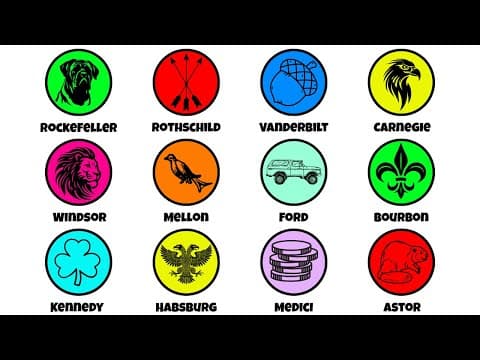
This blog post explores the history and influence of notable old money families in America, detailing their origins, fortunes, and lasting impacts on society, culture, and politics.
Old money families have shaped the economic and cultural landscape of America for generations. This post delves into the origins, fortunes, and lasting impacts of some of the most influential dynasties, revealing how their legacies continue to resonate today.
The Rockefellers amassed their wealth through Standard Oil, controlling over 90% of U.S. oil production at one point. John D. Rockefeller became the richest American in history, and the family has since funneled their wealth into banks, universities, and foundations. Today, the Rockefeller name is synonymous with elite institutions across America.
The Vanderbilt family built their empire on shipping and railroads. Cornelius Vanderbilt, known as the Commodore, was the original tycoon. By the Gilded Age, the Vanderbilts were hosting extravagant parties and living in mansions that rivaled those of the Great Gatsby. Although their wealth has faded, their name remains associated with legacy and excess in New York real estate.
Andrew Carnegie revolutionized the steel industry and became one of the richest men of his time. However, he is also known for his philanthropy, having donated much of his fortune to libraries, universities, and the arts. Unlike some old money families, the Carnegies did not maintain their prominence in subsequent generations.
J.P. Morgan was a pivotal figure in American finance, backing railroads and consolidating industries. His influence shaped Wall Street for over a century, and the House of Morgan became a financial dynasty that played a crucial role in the U.S. economy.
The DuPont family began with gunpowder and expanded into a vast chemical empire. Their innovations, including nylon and Teflon, have touched every corner of modern industry. Despite facing scandals, their influence remains significant, and their family tree is complex and intertwined.
John Jacob Astor made his fortune in fur trading before transitioning to New York real estate. He died as the richest man in America, and his descendants maintained a prominent position in the American social hierarchy for over a century, with the Astor name becoming synonymous with wealth and elite status.
Henry Ford did not invent the automobile, but he revolutionized its production with the assembly line, making it a symbol of American industry. The Ford family has maintained one of the largest family-owned businesses in history, wielding significant political and philanthropic influence.
William Randolph Hearst built a media empire that essentially invented yellow journalism, characterized by sensational headlines designed to engage readers emotionally. His legacy inspired the film "Citizen Kane," and his descendants continue to run parts of Hearst Communications, one of the largest media groups in the world.
Joseph Kennedy made his fortune in alcohol and Wall Street, grooming his sons for political power. John became president, Bobby became a legendary figure, and Ted became one of the most influential senators in U.S. history. The Kennedy family is marked by both glamour and tragedy, often referred to as the "Kennedy curse" due to the numerous tragic events that have befallen them.
The Bush family has mastered the art of establishment ascent, with two presidents and significant influence in oil and the CIA. Their legacy is less flashy than the Kennedys but equally entrenched in American politics and society.
The Rothschild family is often regarded as the archetype of an international banking dynasty. Founded by Mayer Amschel Rothschild in the 1700s, the family established branches across Europe, becoming preferred bankers to royalty. Their immense wealth and low public profile have led to numerous conspiracy theories, highlighting their enduring influence.
The Medici family ruled Florence by intertwining banking, politics, and art. They funded renowned artists like Michelangelo and da Vinci, producing popes and queens, and leaving a lasting cultural legacy in Western history.
The Habsburg dynasty was a dominant force in Europe for centuries, controlling vast territories through strategic marriages. Their infamous inbreeding ultimately contributed to their decline, but their historical power was unmatched during the early modern period.
The House of Windsor is not just a royal family; it is a branding powerhouse. Originally of German descent, they rebranded during World War I to distance themselves from their heritage. Their wealth is tied to extensive land holdings, and despite numerous scandals, they have maintained a significant cultural and diplomatic presence in Britain.
The Bourbon dynasty ruled France, Spain, and Naples, characterized by opulence and eventual collapse. While some branches still exist, they largely remain in exile, with their historical legacy marked by both grandeur and downfall.
The Mellon family made their fortune in banking, oil, and steel. Andrew Mellon served as treasury secretary and influenced U.S. tax policy. The family has since invested in philanthropy and elite institutions, including Carnegie Mellon University.
Harvey Firestone founded the Firestone Tire and Rubber Company, establishing a generational partnership with Ford. The Firestone family has expanded their wealth into racing, land, and politics, solidifying their dynasty.
The Whitney family was part of the American elite before the term even existed. With roots in banking, railroads, and the arts, they played significant roles in modernizing the U.S. Navy and establishing the Whitney Museum of American Art.
The Harriman family gained wealth through railroads, with E.H. Harriman becoming a titan of transportation. His son, W. Averell Harriman, became a key figure in Cold War politics, demonstrating how their wealth translated into power.
The Tudor dynasty ruled England from Henry VIII to Elizabeth I, significantly impacting world history. Their reign, though brief, was marked by monumental changes, including the English Reformation and the establishment of England as a naval power.
The Stewart line ruled Scotland and later England and Ireland, facing rebellion and civil war. They are famous for the Jacobite risings and the romantic legacy of Bonnie Prince Charlie, ultimately replaced by the House of Hanover.
The House of Saud is literally oil royalty, gaining global power after oil was discovered in Saudi Arabia in 1938. They control Saudi Aramco, one of the world's most valuable companies, and their sovereign wealth fund is reshaping global business.
Fred Koch founded Koch Industries, which his sons Charles and David expanded into one of the largest private companies in the world. The Koch family has become influential political donors, quietly shaping U.S. politics.
Mars Inc. is one of the most successful family-owned companies in American history, known for its candy brands and pet care products. The Mars family maintains a low profile, preferring to operate in secrecy while controlling a vast empire.
The legacies of these old money families illustrate the complex interplay of wealth, power, and influence in American history. Their stories reflect not only their fortunes but also their contributions to society, culture, and politics, shaping the world we live in today.



















