
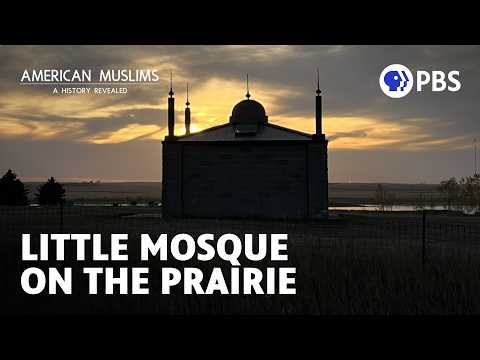
This blog post delves into the history of one of America's first mosques built by Lebanese immigrants in Ross, North Dakota, highlighting the challenges they faced, their contributions to the community, and the ongoing efforts to preserve their legacy.
Ross, North Dakota, is a small town with a population of around 90, predominantly white and Christian. However, a century ago, it was home to a vibrant Muslim community of farmers from present-day Lebanon, then part of Greater Syria. They constructed one of the first purpose-built mosques in the United States, a testament to their faith and resilience. This blog post explores their story, preserved through interviews conducted in the 1930s, and the significance of their contributions to American history.
Mary Juma, who settled in North Dakota in 1902, played a pivotal role in establishing this early American mosque. In her own words, she expressed a longing to have arrived in America sooner, reflecting the hopes and dreams of many immigrants seeking a better life. Although the original mosque no longer stands, a fragment of its door is preserved in the Arab American National Museum, symbolizing the connection between past and present.
At the turn of the 20th century, millions migrated to the United States, drawn by the promise of economic opportunity and freedom. Among these were thousands of Muslims from the Middle East, subjects of the Ottoman Empire. While many settled in urban areas like New York and Chicago, others ventured westward to the Great Plains, where they established communities in places like Ross.
The story of the mosque and its builders begins in Lebanon's Beqaa Valley. Economic changes and modernization within the Ottoman Empire prompted many to seek opportunities abroad. Promotional activities in Lebanon painted a picture of America as a land of riches, leading families to embark on long and arduous journeys to the United States.
Mary and Hassen Juma, like many others, faced a challenging journey that included multiple legs and often involved traveling in steerage. They initially arrived in Canada before making their way to Nebraska, where they began peddling goods. This entrepreneurial spirit was common among Arab immigrants, who often faced discrimination and were seen as outsiders.
In 1902, the Jumas arrived in western North Dakota during a time of homesteading. The Homestead Act offered 160 acres of land to those willing to cultivate it, but this land had been taken from Native Americans just a decade earlier. The Jumas, along with other Arabic-speaking immigrants, faced significant challenges in securing citizenship and land ownership due to racial and legal barriers.
Despite these challenges, Mary and Hassen Juma succeeded in establishing themselves in Ross. They cleared land, farmed, and contributed to the local economy. The community they built was not just about survival; it was also about cultural preservation and religious practice. They held services in their homes before constructing the mosque, which became a center for community gatherings and cultural activities.
The mosque in Ross was unique, as it was the only permanent mosque built by Arabic-speaking immigrants in the Midwest. It served as a gathering space for prayer and community events, reflecting the diverse tapestry of American life. The Jumas and their neighbors celebrated religious occasions together, fostering a sense of belonging and identity.
Despite their initial success, the community faced hardships during the Great Depression, which led to the mosque's decline and eventual demolition in the 1970s. The harsh realities of rural life, coupled with economic challenges, made it difficult for the community to sustain itself over the long term.
In recent years, descendants of the original community, like Nicole Mattson, have worked to preserve this rich history. They successfully listed the old cemetery on the National Register of Historic Places and even built a new mosque on the original site in 2005, fulfilling a dream of reconnecting with their roots.
The new mosque stands as a testament to the enduring legacy of the Jumas and their community. It serves as a place of worship and a reminder of the multicultural and multireligious roots of the Midwest. As Nicole reflects on her family's history, she emphasizes the importance of recognizing the contributions of Muslims to American society.
The story of the mosque in Ross, North Dakota, is a powerful reminder that Muslim Americans have been part of the fabric of this country since its inception. Their struggles, resilience, and contributions deserve recognition and celebration. As we continue to explore and honor this history, it becomes clear that the narrative of America is far more diverse than often portrayed, encompassing a rich tapestry of cultures and faiths that have shaped the nation.



















