
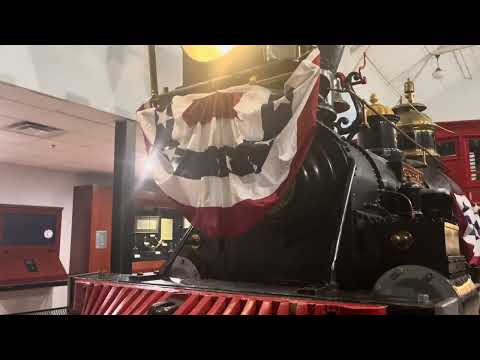
This blog post delves into the historical significance of the Western & Atlantic Railroad and its famous locomotive, The General. It discusses the railroad's impact on transportation, commerce, and the Civil War, highlighting key events and figures associated with its legacy.
The Western & Atlantic Railroad (W&A) holds a significant place in American history, particularly in the context of transportation and the Civil War. This blog post explores the history, impact, and legacy of the W&A, focusing on its most famous locomotive, The General.
The Western & Atlantic Railroad was chartered in 1836, with the goal of connecting the port of Savannah, Georgia, to the Midwest. This ambitious project aimed to facilitate trade and transportation, ultimately playing a crucial role in the economic development of the region.
Construction of the railroad faced numerous challenges, including financial difficulties, engineering obstacles, and political opposition. Despite these hurdles, the W&A was completed in 1850, providing a vital link between the southeastern United States and the rest of the country.
Among the many locomotives that operated on the W&A, The General stands out as a symbol of the railroad's legacy. Built in 1855, The General was a powerful locomotive that played a crucial role in the transportation of goods and troops during the Civil War.
One of the most famous events involving The General was the Great Locomotive Chase of 1862. During this daring raid, Union soldiers attempted to steal The General in an effort to disrupt Confederate supply lines. The chase became a legendary tale of bravery and ingenuity, showcasing the strategic importance of railroads during the war.
The Western & Atlantic Railroad revolutionized transportation in the South. It enabled faster movement of goods and people, significantly impacting commerce and trade. The railroad facilitated the growth of cities along its route, including Atlanta, which became a major transportation hub.
The W&A contributed to the economic growth of Georgia and the surrounding states. By providing a reliable means of transportation, it helped farmers and merchants transport their products to markets, boosting the local economy.
The Western & Atlantic Railroad played a pivotal role during the Civil War. Its strategic importance was recognized by both Union and Confederate forces, leading to numerous battles and skirmishes along its route.
Several key battles, including the Battle of Kennesaw Mountain and the Battle of Atlanta, were fought in close proximity to the railroad. Control of the W&A was crucial for both sides, as it allowed for the movement of troops and supplies.
Today, the legacy of the Western & Atlantic Railroad is preserved through various historical sites and museums. The General, now housed at the Southern Museum of Civil War and Locomotive History in Kennesaw, Georgia, serves as a reminder of the railroad's significance in American history.
Efforts to preserve the history of the W&A and its locomotives continue, ensuring that future generations understand the impact of this vital transportation network on the development of the United States.
The Western & Atlantic Railroad and its iconic locomotive, The General, represent a crucial chapter in American history. From its role in economic development to its significance during the Civil War, the W&A has left an indelible mark on the landscape of transportation and commerce in the United States. Understanding this legacy helps us appreciate the complexities of our history and the evolution of our transportation systems.



















