This blog post provides an in-depth look at the current state of Nusantara, Indonesia's new capital, highlighting its unique features, ongoing developments, and the contrast between its serene environment and the presence of tall buildings. It also discusses access restrictions for content creators and the natural beauty surrounding the area.
Nusantara, Indonesia's new capital, is a city that is both quiet and bustling with development. This blog post takes you on a journey through the current state of Nusantara, showcasing its impressive architecture, natural beauty, and the unique features that define this emerging metropolis.
As we begin our exploration, we are greeted by the stunning views captured by drone footage. The eastern side of the city features beautiful flower gardens, while the western side boasts a magnificent fountain. In the backdrop, the majestic Gunung Parung and a waterfall add to the scenic beauty of the area.
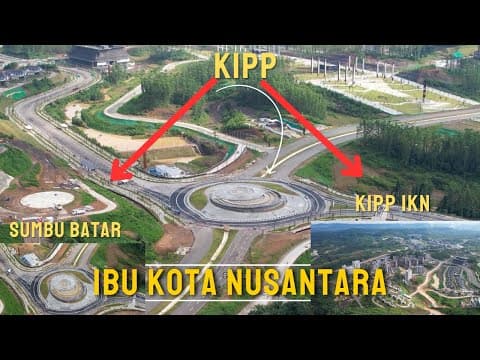
Despite the ongoing construction and development, Nusantara appears relatively quiet. However, various activities have been taking place, particularly around the KPP (Kantor Pusat Pemerintahan) area. Recent events, such as the Panram, have drawn attention to this part of the city.
The drone footage provides a comprehensive view of the KPP area, starting from the Pulau Balang Bridge. From above, we can see the well-maintained waste management facility, characterized by its vibrant green buildings surrounded by palm trees. The KPP area is also home to several tall buildings that signify the city's growth.
One notable aspect of Nusantara is the restricted access for local content creators and YouTubers. While some individuals with official positions can enter specific areas, many are limited to public spaces. This restriction has made it challenging for creators to showcase the full extent of the city's development.
The Sumbu, or axis, of Nusantara is divided into two distinct parts: the western and eastern roundabouts. The western roundabout is known for its fountain, while the eastern roundabout features beautiful flower gardens. This contrast highlights the city's commitment to blending nature with urban development.
The Zero Point, a significant landmark in Nusantara, is located directly in front of the authority office and leads straight to the Istana Garuda (Garuda Palace). This area is currently not accessible to the public, but it remains a focal point for the city's development.
Nusantara is not just about urban development; it is also surrounded by natural beauty. The area experiences frequent rain, even during the dry season, which contributes to its lush environment. The nearby Gunung Parung and the Tembinus Waterfall are notable natural attractions, although access to these sites can be challenging due to ongoing construction.
Traveling to the Tembinus Waterfall takes approximately 30 minutes from the KPP area, while reaching Gunung Parung can take up to two hours. The roads leading to these natural sites are still under development, with some areas remaining unpaved.
As we conclude our exploration of Nusantara, it is clear that this city is a blend of modern architecture and natural beauty. While it may currently appear quiet, the ongoing developments promise a vibrant future. The restrictions on access for content creators highlight the city's evolving nature, as it balances growth with the preservation of its unique environment.
Thank you for joining this journey through Nusantara. Stay tuned for more updates as the city continues to develop and transform.