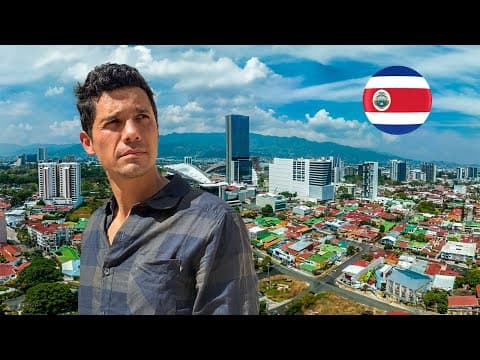
Costa Rica is often idealized for its safety, biodiversity, and lack of an army, but it faces challenges such as high living costs and culinary reputation. This blog post explores the country's history, culture, and the realities of living in this Central American gem.
Costa Rica is a country renowned for its peaceful reputation, stunning natural beauty, and rich biodiversity. Often described as a paradise, it attracts thousands of foreigners seeking a tranquil lifestyle amidst its picturesque landscapes. However, beneath this idyllic image lies a complex reality that deserves exploration.
Nestled in Central America, Costa Rica is home to approximately 5 million inhabitants. The capital city, San José, serves as the political and economic hub of the nation. Unlike many bustling metropolises, San José is characterized by its modest skyline, lacking skyscrapers but featuring a few tall buildings. Tourists flock to Costa Rica not just for the city but for the treasures that lie beyond its urban confines.
Despite its allure, Costa Rica is one of the most expensive countries in Latin America, competing with Chile and Uruguay for the highest cost of living. This rise in living expenses is attributed to the influx of expatriates from the United States, Canada, and Europe, all drawn by the promise of a perfect climate and beautiful beaches.
Interestingly, while Costa Rica ranks highly in many global lists, it has been criticized for its culinary offerings. Some reports suggest that it has the worst food on the continent, a claim that many locals and visitors dispute. To investigate this further, a visit to the Central Market in San José reveals a vibrant food scene, showcasing traditional dishes that often feature rice and beans, among other local ingredients.
At the Central Market, one can find a variety of food options, from fresh produce to traditional meals served in local eateries known as sodas. One notable establishment, Soda San Martín, has been serving traditional Costa Rican food since 1910. Here, visitors can enjoy dishes like the corn omelette and ceviche, which is uniquely prepared with local flavors. The market bustles with life, offering a glimpse into the everyday culinary practices of Costa Ricans.
Costa Rica's history is rich and layered. Christopher Columbus first arrived on its shores during his fourth voyage, but it took 60 years for Spanish colonization to begin. The first capital, Cartago, was established, but the colony struggled economically compared to its neighbors.
As Central America moved towards independence from Spanish rule, Costa Rica emerged as a distinct nation. The coffee boom in the 19th century became a significant economic driver, with coffee exports accounting for 90% of the country's trade at one point.
A pivotal moment in Costa Rican history occurred after a civil war in 1948, leading to the abolition of the national army. This controversial decision was rooted in a desire to redirect military funding towards education and healthcare, fostering a peaceful society. Costa Rica's lack of an army has become a unique aspect of its identity, promoting a model of peace that attracts tourism and foreign investment.
Today, Costa Rica is celebrated for its commitment to environmental conservation, with approximately 25% of its land protected. The country has become a leader in ecotourism, drawing visitors eager to experience its natural wonders. However, the influx of foreign investment has also led to rising costs, prompting questions about the accessibility of these benefits for local residents.
As we delve deeper into the realities of life in Costa Rica, it becomes clear that this country is more than just a tourist destination. It is a land of contrasts, where beauty and challenges coexist. The exploration of its culture, history, and culinary landscape will continue in future discussions, revealing the true essence of Costa Rica beyond the myths and misconceptions.
Stay tuned for more insights as we embark on a journey through this captivating country, uncovering its secrets and celebrating its rich heritage.