
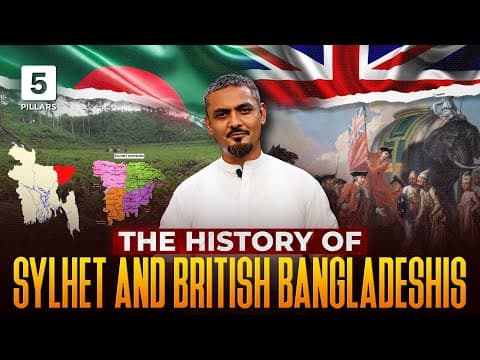
This blog post delves into the historical significance of Sylhet, Bangladesh, from its Islamic roots with Shah Jalal to its role in the British Bangladeshi diaspora, highlighting key events, cultural connections, and the impact of migration.
Sylhet, the administrative center of the Sylhet division in northeastern Bangladesh, is renowned for its scenic pastoral lands and tea gardens. Over the past 60 to 70 years, it has also become synonymous with the British Bangladeshi diaspora, as a significant portion of British Bangladeshis trace their roots back to this region. This blog post explores the historical significance of Sylhet, its Islamic heritage, and the impact of migration on the British Bangladeshi community.
The Islamic history of Sylhet is deeply intertwined with the arrival of the Muslim conqueror and Sufi saint, Shah Jalal, who is believed to have come from Yemen. His mission was to spread Islam and liberate the region from the tyranny of a Hindu king. The shrine of Shah Jalal, located in Sylhet, attracts thousands of Bangladeshis who come to pay their respects and seek blessings.
According to local lore, in 1303, a man named Burhan Udin, regarded as the first Muslim of Sylhet, faced a tragic fate when his newborn son was killed by the enraged Hindu king, Gurinda. This act of violence prompted the Muslim Sultan Shamsudin to declare a jihad against the king. Shah Jalal, along with 360 followers, successfully liberated Sylhet, leading to the establishment of Islam in the region.
The famous Islamic historian and traveler, Ibn Battuta, visited Sylhet and described Shah Jalal as a pious man, detached from worldly possessions. His lifestyle and the loyalty of his followers contributed to the spread of Islam in Sylhet and its surrounding areas.
To understand the migration patterns of British Bangladeshis, one must consider the colonial history of the Indian subcontinent. The British Empire established its presence in Bengal in 1757 and remained for nearly 200 years. After World War II, economic migration from the Indian subcontinent became necessary for rebuilding Britain.
During the partition period in 1947, Sylhet was part of the Assam Province and underwent a referendum that resulted in a 56% majority favoring its inclusion in East Bengal, which later became East Pakistan. This historical context is crucial in understanding the migration of Sylheti people to the UK.
The post-World War II migration saw many Bangladeshis, particularly from Sylhet, moving to the UK. According to the 2021 census, there are approximately 62,000 Bangladeshis in Britain, many of whom maintain strong ties to their ancestral homeland.
The migration led to significant economic contributions from the British Bangladeshi community back to Sylhet. Many individuals send remittances to support local development, including the construction of mosques and community projects.
Sylhet is not only known for its tea gardens but also for its rich culinary heritage. The local fish market in Sylhet showcases a variety of fish that are staples in Bangladeshi cuisine, which have also influenced the dining habits of British Bangladeshis.
The local cuisine includes various fish dishes, biryani, and grilled foods, reflecting the diverse tastes of both local and diaspora communities. Restaurants in Sylhet cater to the evolving preferences of visitors, including those from the UK.
Today, Sylhet is a vibrant region that has modernized to cater to the needs of the British Bangladeshi diaspora. The socio-economic progress of the community is evident in the development of infrastructure and services.
As the British Bangladeshi community continues to thrive, there is a growing need for individuals to reconnect with their roots. Investing in local projects and sharing skills can help strengthen ties to the ancestral homeland.
The history of Sylhet and its connection to the British Bangladeshi diaspora is a testament to the resilience and cultural richness of the community. As we reflect on the past, it is essential to maintain our cultural roots and contribute positively to the development of Bangladesh. The journey from Sylhet to the UK is not just a story of migration but also one of identity, heritage, and the ongoing connection to our homeland.



















