
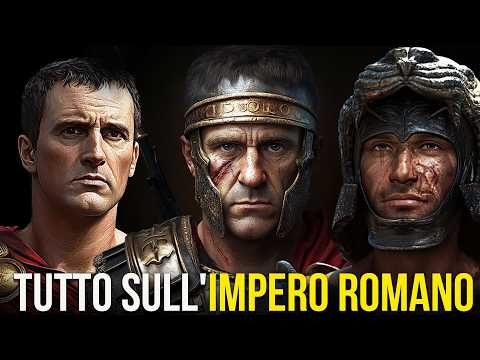
This blog post delves into the history of the Roman Empire, focusing on its notable emperors, military legions, and the rich mythology that shaped its culture. It covers the rise of figures like Julius Caesar, the structure of the legions, and the influence of mythology on Roman society, providing a comprehensive overview of this ancient civilization's legacy.
The Roman Empire, one of the most influential civilizations in history, has left an indelible mark on the world. This post explores the key figures, military structures, and mythological elements that defined this ancient empire.
Gaio Giulio Cesare, born on July 13, 100 BC, was destined for greatness. From a young age, he exhibited adventurous traits and a charismatic personality. However, his life took a dramatic turn at the age of 16 when his father died, thrusting him into the role of head of the family. Influenced by his uncle, Gaius Marius, a renowned general and politician, Caesar was inspired to pursue military and political ambitions.
Caesar's military career began amidst the chaos of a civil war between Marius and Lucius Cornelius Sulla. To escape the political turmoil, he enlisted in the army and served with distinction in Cilicia, earning the civic crown for his bravery. After Sulla's death in 78 BC, Caesar returned to Rome, only to find his inheritance confiscated. He leveraged his oratory skills to rebuild his family's status and embarked on a journey that would lead him to fame.
In a twist of fate, Caesar was captured by pirates while sailing. He maintained his composure, demanding a higher ransom for his release. Once freed, he raised a fleet, defeated his captors, and had them crucified, solidifying his reputation as a formidable leader.
Returning to Rome, Caesar began his political career, eventually becoming consul in 60 BC. His ambition led him to form the First Triumvirate with Pompey and Crassus, a powerful alliance that would shape Roman politics. However, tensions grew, particularly with Pompey, leading to a civil war.
The Roman legions were the backbone of the empire's military might. Reforms initiated by Gaius Marius in 107 BC transformed the legions into a professional standing army. These reforms included:
Roman legions played a crucial role in the empire's expansion, conquering territories across Europe, North Africa, and the Middle East. Their disciplined formations and innovative tactics allowed them to overcome various adversaries, including the fierce Celtic tribes in Gaul.
Roman mythology was rich and complex, with gods and goddesses representing various aspects of life and society. Key deities included:
Mythology influenced Roman culture, politics, and military practices. Emperors often invoked the favor of the gods to legitimize their rule and military campaigns. Festivals and rituals dedicated to these deities were integral to Roman life, reinforcing social cohesion and cultural identity.
The Roman Empire's legacy is a testament to its emperors, military innovations, and rich mythology. Figures like Julius Caesar exemplified the ambition and complexity of Roman leadership, while the legions showcased the empire's military prowess. The intertwining of mythology with daily life and governance reflects the cultural depth of this ancient civilization, which continues to fascinate and inspire to this day.



















