
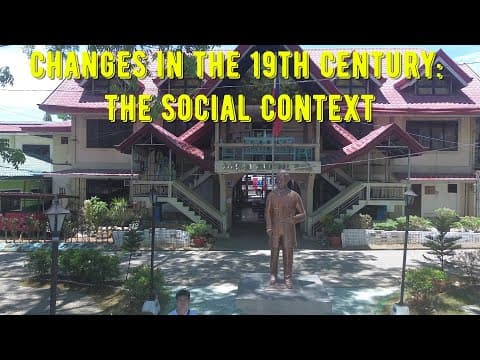
This blog post delves into the social dynamics, cultural influences, and historical events that shaped the Philippines during the 19th century, highlighting the impact of colonialism, social classes, and the rise of nationalism.
The 19th century was a pivotal period for the Philippines, marked by significant social, political, and cultural changes. This blog post aims to explore the various aspects of Filipino society during this time, including the influences of colonialism, the structure of social classes, and the emergence of nationalism.
The Philippines was under Spanish colonial rule for over three centuries, and the 19th century saw the culmination of various colonial policies that affected the local population. The Spanish government implemented a system that favored the elite, leading to a stark divide between the wealthy and the poor. The colonial administration's focus on extracting resources and taxing the local populace created widespread discontent among the lower classes.
The economy during this period was primarily agrarian, with a significant portion of the population engaged in farming. However, the economic policies favored Spanish landowners, leading to the exploitation of Filipino farmers. The introduction of cash crops, such as sugar and tobacco, shifted the economic landscape but often at the expense of local farmers who faced harsh working conditions and low wages.
Filipino society in the 19th century was characterized by a rigid social hierarchy. At the top were the Spanish colonizers and mestizos (people of mixed Spanish and Filipino descent), who enjoyed privileges and access to education. Below them were the indios, or native Filipinos, who were often marginalized and denied basic rights.
Despite the oppressive social structure, the 19th century also saw the emergence of a middle class, primarily composed of educated Filipinos who began to challenge the status quo. This group played a crucial role in advocating for reforms and greater representation in government. Their growing awareness of social injustices laid the groundwork for the nationalist movements that would follow.
The 19th century was also a time of cultural awakening in the Philippines. The influence of the Enlightenment and the spread of liberal ideas inspired many Filipinos to seek reforms. Literature, arts, and education flourished, with notable figures such as José Rizal emerging as key advocates for change.
Education became a vital tool for social change. The establishment of schools and universities allowed more Filipinos to gain access to knowledge and develop a sense of national identity. This educational movement was instrumental in fostering a collective consciousness among Filipinos, leading to increased calls for independence from colonial rule.
As the century progressed, the desire for reform and independence grew stronger. Various organizations, such as the Propaganda Movement, emerged, advocating for political and social reforms. These movements were often met with repression from the colonial government, further fueling the desire for change among the populace.
Prominent figures like José Rizal, Andres Bonifacio, and Emilio Aguinaldo became symbols of the nationalist movement. Their writings and actions inspired many Filipinos to unite against colonial oppression and strive for a free and independent nation.
The 19th century was a transformative period for the Philippines, characterized by the struggle against colonial rule and the quest for social justice. The social dynamics of the time, influenced by colonial policies and the rise of a middle class, set the stage for the eventual fight for independence. Understanding this historical context is crucial for appreciating the complexities of Filipino society and its journey towards nationhood.



















