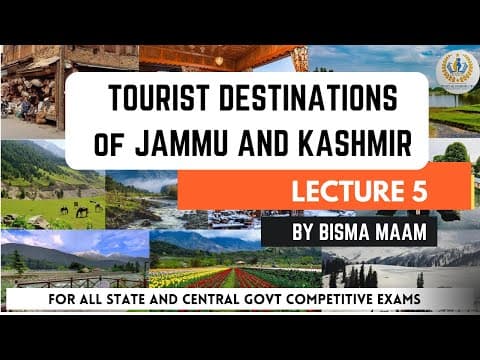
This blog post explores the top tourist destinations in Jammu, including Shivkhori, Sudh Mahadev Temple, Thana Mandi, Ziarat Peer Mitha, Nuri Chham, Sij Miro, and Kishtwar, detailing their historical significance, architectural features, and cultural importance.
Jammu, a region rich in history and natural beauty, offers a plethora of tourist destinations that attract visitors from all over. In this final part of our series on Jammu's tourist places, we will delve into some of the most significant sites, highlighting their unique features and cultural importance.
Our first destination is Shivkhori, a renowned cave shrine dedicated to Lord Shiva, located in the Reasi district. The cave stretches approximately 200 meters in length, 1 meter in width, and has a height varying between 2 to 3 meters. Inside the cave, there is a self-made Lingam, believed to be endless, making it a significant pilgrimage site for devotees.
Next, we explore the Sudh Mahadev Temple, a legendary temple situated 120 kilometers from Jammu. Built by King Ghamir Chand in 770 AD, this temple houses a trident, believed to belong to Lord Shiva, which he used to defeat a demon. An annual fair is held here during the full moon of the Ashadha month, attracting many visitors for three days of festivities.
Moving on, we arrive at Thana Mandi, an important historical site located in the Rajouri district. Known since the Mughal era, this place served as a resting point for Mughal travelers journeying between Delhi and Kashmir. The pleasant climate and availability of wooden products crafted by local artisans make Thana Mandi a notable destination. Additionally, the famous shrine of Shahdara Sharif is just 6 kilometers away.
Located in the heart of Jammu, Ziarat Peer Mitha is famous for its twin structures: a mosque and a tomb, both showcasing Mughal architectural style. This site is dedicated to Saint Ziarat, who was known to receive offerings of sugar, which is why the place is called "Peer Mitha". It is a peaceful environment, ideal for travelers seeking tranquility.
Next, we visit Nuri Chham, a stunning waterfall located in the Poonch district. Named after Noor Jahan, the wife of Mughal Emperor Jahangir, it is said that she used to bathe in this waterfall during her visits to Jammu and Kashmir. The beauty of this waterfall makes it a must-visit spot for nature lovers.
Sij Miro, also known as Sij Meadow, is a breathtaking valley in the Bhadarwah region, often referred to as the "Diamond in the Crown of Bhadarwah". This picturesque location is celebrated for its natural beauty and serene environment, making it a perfect getaway for those looking to escape the hustle and bustle of city life.
Finally, we conclude our journey in Kishtwar, located on the banks of the Chenab River. Kishtwar is renowned for its hydroelectric power projects, including the Dulhasti and Rattle projects, making it a significant area for energy production. The region is also known for its dense forests of deodar and pine trees. Historically referred to as "Kashhtavata" in ancient texts, Kishtwar is also famous for its saffron and sapphire production.
In summary, Jammu is home to a variety of tourist destinations, each with its own unique history and cultural significance. From the spiritual ambiance of Shivkhori and Sudh Mahadev Temple to the natural beauty of Nuri Chham and Sij Miro, there is something for every traveler. As we wrap up our exploration of Jammu, we look forward to diving into the tourist places of Kashmir in our next series. Thank you for joining us on this journey through Jammu's rich heritage and stunning landscapes.