This blog post takes you on a detailed exploration of Petra, the ancient Nabatean city in Jordan, highlighting its historical significance, architectural marvels, and the importance of water management in its thriving civilization.
Petra, the ancient Nabatean city nestled in the deserts of Jordan, is a site of immense historical significance and architectural beauty. Once a thriving civilization that flourished over 2,000 years ago, Petra mysteriously collapsed and was lost to history for centuries. Today, it stands as a UNESCO World Heritage Site and one of the New Seven Wonders of the World, drawing millions of visitors eager to explore its hidden treasures.
The journey to Petra begins with a dramatic entrance through the Siq, a narrow gorge that serves as the main access route to the city. This dry riverbed, carved over millions of years by flash floods, was intentionally chosen by the Nabateans for its security and impressive visual impact. As visitors walk through the Siq, anticipation builds, culminating in a breathtaking view of the Treasury, one of Petra's most iconic structures.
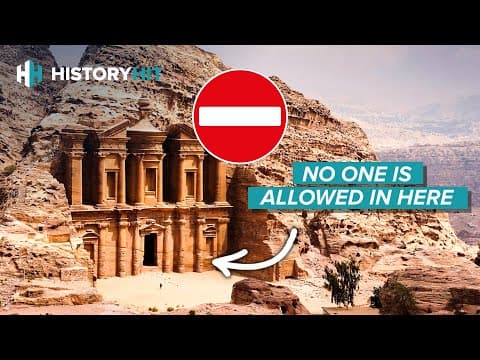
Often mistaken for a treasure vault, the Treasury is actually the tomb of King Aretas IV, a significant figure in Petra's history. The exterior is adorned with intricate carvings of gods and goddesses, designed to aid the king's soul in its ascent to heaven. Despite local legends of hidden treasures, the structure is solid rock, untouched by the plunderers who sought wealth within its walls.
Upon entering the Treasury, visitors find a surprisingly modest interior, devoid of the elaborate decorations typical of other tombs. The beauty of the space lies in the natural patterns and colors of the rock itself, showcasing the artistry of nature over human embellishment.
While many tourists stop at the Treasury, the true magic of Petra lies in its lesser-known areas. Approximately 85% of the city remains unexcavated, offering a wealth of undiscovered wonders. As visitors venture further, they encounter numerous tombs carved into the cliffs, each with its own unique history and significance.
One notable tomb is that of Eiso, a prominent advisor to King Aretas II. This grand structure features niches for family burials and an annex for living descendants to honor their ancestors. The natural beauty of the sandstone enhances the tomb's significance, making it a must-see for any visitor.
Another highlight of Petra is its theater, one of the finest in the Roman world. Built in the first century AD, the theater showcases Roman architectural influence while retaining distinct Nabatean features. With a capacity of around 8,000 spectators, it served as a cultural hub for the city, hosting performances and gatherings that reflected the artistic life of Petra.
The main thoroughfare of Petra, known as the Cardo, was once lined with shops and important buildings. This bustling street was vital to Petra's prosperity, as it sat at the crossroads of major trade routes, including the Silk Road. Merchants traveling from Yemen to the Mediterranean would stop in Petra, paying tolls and exchanging goods, which contributed to the city's wealth.
The Great Temple, another significant structure in Petra, remains shrouded in mystery regarding its exact purpose. Built by King Aretas IV, it features Roman architectural elements and may have served both religious and administrative functions. Archaeological findings suggest that the temple complex was connected to advanced water management systems, crucial for sustaining life in the arid environment.
For those willing to make the trek, the Monastery is a breathtaking reward at the end of a steep climb. This monumental structure, even larger than the Treasury, is believed to date back to the 3rd century BC. Its exact purpose remains uncertain, but it stands as a testament to the grandeur of Nabatean architecture and culture.
Petra is not just a historical site; it is a living testament to the ingenuity and resilience of the Nabatean civilization. From its intricate water management systems to its stunning architectural feats, Petra offers a glimpse into a world that once thrived in the heart of the desert.
As you plan your visit, remember to wear good walking shoes, pack plenty of water, and take the time to explore beyond the main attractions. The hidden gems of Petra await, ready to inspire and captivate all who venture into this ancient wonder.
So, turn off your computer, put down your phone, and embark on a journey to Petra. It is an experience that promises to be unforgettable, filled with history, beauty, and adventure.